Anthem, AZ: Adventure, History, and Family Fun For The Whole Family
Anthem, Arizona, a vibrant community nestled in the heart of the state, offers an array of unique attractions and activities that cater to various interests. For those seeking adventure, Desert Wolf Tours provides exhilarating ATV adventures through the Arizona landscape. This includes self-drive off-road Desert experiences and the opportunity to operate real machine guns, all under the guidance of experienced professionals, ensuring a blend of excitement and safety.
The Daisy Mountain Railroad in Anthem Community Park is a delightful choice for a Family-friendly outing. This charming 24-inch gauge railroad winds through a picturesque setting, offering a scenic 10-minute ride. The park itself spans 63 vibrant acres, featuring play areas, a splash pad, sports courts, and a veterans memorial. It’s a perfect spot for relaxation and fun for all ages.
History enthusiasts will appreciate the Pioneer Living History Museum, which transports visitors back to Territorial Arizona. This 90-acre open-air museum showcases historic 19th-century buildings and offers a glimpse into the lives of early Arizona settlers through reconstructed shops and costumed volunteers.
The North Valley Escape Room presents an exciting challenge for those who enjoy puzzles and team-building activities. It’s the largest escape room facility in Arizona, offering a variety of themed rooms for an immersive and engaging experience.
Whether you’re an adventure seeker, a family looking for fun activities, a history buff, or a puzzle enthusiast, Anthem, Arizona, has something to offer for everyone, making it an ideal destination for a memorable visit.
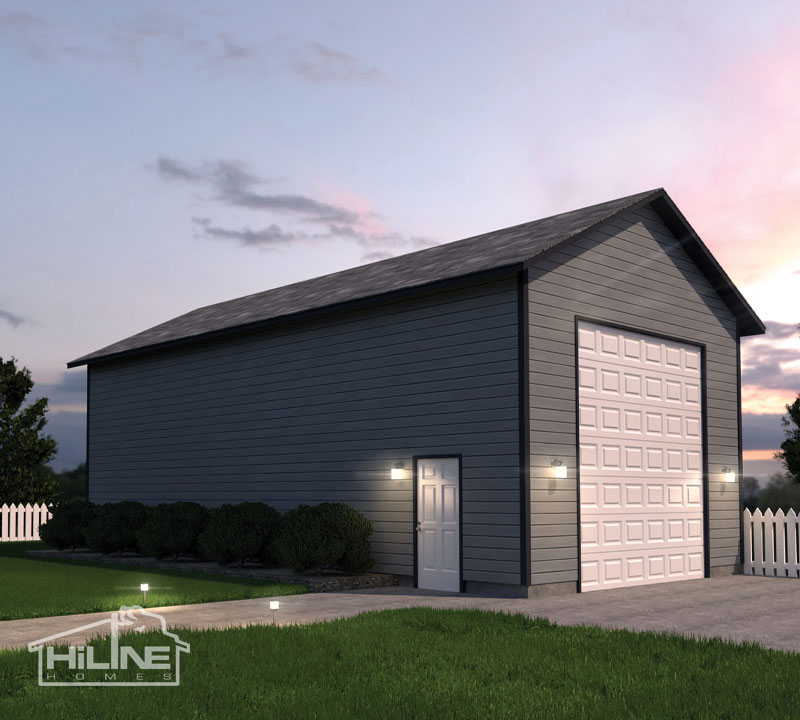
If you ask most homeowners, you’ll find that many of them do not park their cars in their garage for one reason: it’ss filled with so many other items that there simply isn’t enough room.
Wouldn’t it be great to have a third bay in your garage? You’d have more room to store your seasonal items, room for a third car, a motorcycle, or a small boat, and more room in your main garage area. You might even end up with enough room to park your car in there!
Here at HiLine Homes, we continually strive to find ways to make quality features available to our homeowners beyond our customizable house plans. There are many unique and fully customizable options for addons, garages, and more available to ensure that your new addition fully encapsulates your vision! We believe that taking the time to design your garage for your specific needs will no doubt benefit you in the long run. One of our most popular floorplans is Plan 3292 which has a spacious 3-car garage. But customizability isn’t just limited to horizontal space.
Do you have a vehicle that will require an 8-foot tall door? Do you need a wheelchair accessible garage with ramps? Would you like the convenience of a garage door opener or perhaps need extra room for a shop? Maybe additional space in a detached garage for a separate space to entertain or work on projects? All of these options and more are available to you as you plan your new home.
Contact your local HiLine Homes office and talk with aHome Consultant about the features you’d like to incorporate in your new home by clicking the link below! We’ll be happy to help.
In an era where sustainability and energy efficiency are paramount, advanced energy efficient roof coatings are emerging as a game-changer. These innovative coatings possess the unique ability to reflect sunlight and emit heat, leading to a significant reduction in roof surface temperature and less heat transfer into buildings. This advancement not only enhances indoor comfort on hot days but also reduces the load on cooling systems and greenhouse gas emissions associated with energy production. The extended lifespan of roof materials and combat against the urban heat island effect are additional benefits, culminating in lower air conditioning costs and reduced environmental impact.
One leader in the commercial roof coating industry is SmartSeal. They have been providing commercial buildings throughout Florida with expert roof coatings. Call them to learn more about the energy efficiency of commercial roof coatings.
Key Takeaways from Energy Efficient Roof Coatings
Reflecting Sunlight, Emitting Heat: These coatings significantly decrease the strain on cooling systems, thereby reducing energy costs.
Sustainability and Longevity: They contribute to mitigating pollution and greenhouse gas emissions, prolonging roof material lifespan.
Urban Heat Island Effect: These coatings offer a solution for densely populated areas, leading to financial savings and potential incentives.
The Importance of Surface Solar Reflectance
Understanding Solar Reflectance in Cooling
Solar reflectance is a critical factor in energy-efficient Roofing, measuring the ability of materials to reflect sunlight. High solar reflectance means a cooler roof surface, with white roofing materials typically reflecting 60 to 90 percent of sunlight. Cool colored materials, enhanced with specialized pigments, also show impressive solar reflectance. Thus, the solar reflectance of a material is a key contributor to energy-efficient roofs and subsequent savings.
Cool Roofing Options: Affordable and Effective
Maximizing Energy Savings with Proper Roof Coatings
Selecting the right roof coating involves considering products with high solar reflectance ratings. This maximizes the roof’s cooling effect and leads to considerable energy savings. Whether it’s hot summers or warm spring days, a cool roof offsets the strain on cooling systems, enhancing indoor comfort while slashing energy costs.
Selecting the Right Color for Enhanced Energy Efficiency
The color of your roof significantly contributes to energy consumption efficiency. Light-colored and ‘cool colored’ roofing materials have advanced technologically to ensure increased energy efficiency. White roof products, known for their high solar reflectance, and ‘cool colored’ materials with engineered pigments, offer a range of eco-friendly roof coating options.
Energy Efficient Roof Coatings for Different Roof Types
Tailoring Solutions for Varied Architectural Designs
Energy efficient roofing solutions cater to a variety of roof types, ensuring optimal performance and sustainability. For steep roofs, options include cool asphalt shingles and cooler-than-average wood shingles. Polymer shingles, clay and concrete tiles, and metal shingles or tiles coated with light or cool-colored paint are also effective. These options provide affordable solutions to promote cooling and enhance energy savings substantially.
Best Practices for Low-Sloped Roof Energy Efficiency
Exploring Single-ply Membranes and Cool Roof Modifications
For low-sloped roofs, single-ply membranes with high reflectivity and modified built-up roofs enhance sunlight reflection effectively. This results in cooler interiors and substantial energy savings. Understanding built-up roofs and their cool roof modifications, such as reflective coatings or cap sheets with reflective mineral surfaces, is crucial for achieving energy efficiency.
Extended Life and Cost Savings with Cool Metal Roofing
The Resilience and Aesthetics of Cool Metal Roofs
Cool metal roofing, with factory-painted or coated metal shingles or tiles, offers superior solar reflectance and thermal emittance properties. These roofs stay cooler, reducing the burden on cooling systems and prolonging their lifespan. Retrofitting existing metal roofs with suitable paints or reflective mineral granules can also improve energy performance.
The Eco-Friendly Advantage of Green (Vegetative) Roofs
Urban Benefits and Natural Insulation
Green roofs, with their capacity to manage stormwater and mitigate the urban heat island effect, provide natural insulation and extend roof lifespan. They absorb rainwater, release it back into the atmosphere, and cool buildings through evapotranspiration, making them a sustainable roofing solution with long-term advantages.
Assessing Whether a Cool Roof is Right for You
Evaluating Local Climate Factors and Potential Savings
When considering energy efficient roof coatings, assess local climate factors and potential energy savings. In hot climates, the benefits of cool roofs are pronounced, while in colder regions, the heating advantages in summer need to outweigh the cooling disadvantages in winter. Calculating potential energy savings and cost benefits is essential for making an informed decision.
Understanding the Economic Impact of Energy Saving Roof Coatings
Initial Investment vs. Long-Term Benefits
While the initial costs for cool roof installations might be higher, the long-term energy efficiency gains lead to significant savings. These coatings reduce energy consumption, lower utility bills, and extend the lifespan of air conditioning equipment, making them a sound financial and sustainable investment.
Mitigating Urban Heat Islands with Sustainable Roof Coatings
Impacts of Roof Temperatures on Urban Environments
Sustainable roof coatings play a significant role in mitigating urban heat islands. Cool roofs, with their high solar reflectivity, reduce overall temperatures within urban areas, promoting a more comfortable and sustainable living and working environment.
In conclusion, Roof coating energy efficiency offer a myriad of benefits, including reduced utility bills, enhanced indoor comfort, and extended roof longevity. They are a crucial part of environmentally responsive
building design, contributing to a cooler, more sustainable future.