Beneficiar Constructii Uncategorized A Weighty International Market

A Weighty International Market


The worldwide need for heavy Building devices has increased drastically over the preceding years. This need of heavy building and Construction devices is highly certified in part to the recovery from a recession in various Asian nations, as well as in Latin America, Russia, and Africa. No matter the fact that the heavy building equipment industry is not as greatly focused as it had actually been in previous years, acquisitions are still going strong and substantial partnerships in between contending business are on the increase.

As technical advances in the heavy building devices Design and security help marketing efforts get ahead, the price increases tend to remain modest in retrospect. This likewise speaks for all new, utilized, or rented heavy building and construction equipment alike. Each year the heavy building and construction devices industry is fulfilling an international need of turnout at about 6 percent each year. The heavy construction devices industry has actually been sharing in the worldwide drive with a variety of nations to build brand-new projects and to bring back older personal and public structures.

Heavy building and construction equipment primarily consist of the following main classifications: mixers, cranes, loaders, trucks, tractors, graders and rollers, simply among others, as well accessories and parts. All heavy construction equipment is utilized in a vast array of applications from major infrastructure projects to office buildings and from real estate to factories, power plants and mining. The degree of usage of heavy construction devices is so broad that essential procedures in demographics, such as the population growth, along with adequate development in economics, are the primary impact of the demand for heavy building equipment worldwide today.

Tasks that need the sporadic use of heavy construction devices also call for substantial quantities of capital financial investment. In developing nations, the rate of sustainable economic growth is a significant concern as erratic trends tend to be shorter and more under factor to consider in fully grown markets.

Heavy construction devices and its elements can be made in less locations to service the global market. Heavy building equipment can now move without any commitment in between fully grown markets, while some emerging nations still require exports to get approved for liberated imports.

Regions and nations vary commonly in their needs of heavy building devices to perform jobs of building and re-building. With a growing worldwide need of heavy building devices, the possibilities of building are limitless. To service these projects, this Company rents toilet trailers and security fencing solutions:

Porta potty rentals

The international need for heavy building and construction equipment has increased considerably over the preceding years. Each year the heavy construction devices industry is fulfilling an international demand of turnout at about six percent each year. The extent of usage of heavy building equipment is so broad that essential measures in demographics, such as the population development, along with sufficient development in economics, are the primary impact of the need for heavy construction equipment in the world today.
Related Post

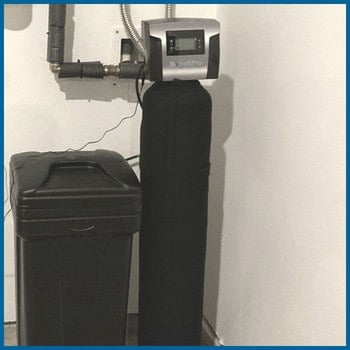
Water Softener: What Size Do I Need? A Complete GuideWater Softener: What Size Do I Need? A Complete Guide

Choosing the right size water softener can feel overwhelming, but it doesn’t have to be. We help homeowners size their water softeners every day, and we’ve learned that making the right choice is simpler than most people think. Let’s walk through everything you need to know to find the perfect size for your home. (great resource:find more)

SoftPro Elite Water Softener System

Understanding Water Softener Sizes

Water softeners are sized by their grain capacity, which tells you how many grains of hardness they can remove before needing to regenerate. Think of it like a bucket – the bigger the bucket, the more water it can hold before needing to be emptied. Common water softener sizes range from 24,000 grains to 110,000 grains or more.

Factors That Determine Your Size Needs

Your household’s ideal water softener size depends on several key factors. First, you’ll need to consider your daily water usage. A typical person uses about 75 gallons of water per day for things like showering, washing dishes, doing laundry, and other regular activities. So a family of four might use around 300 gallons daily.

The hardness of your water is another crucial factor. Water hardness is measured in grains per gallon (GPG), and it can vary significantly depending on your location and water source. City water usually ranges from 3-20 GPG, while well water can sometimes exceed 100 GPG. You’ll want to multiply your daily water usage by your water hardness level to determine your daily softening needs.

Iron Content Matters Too

If your water contains iron, you’ll need to factor this into your sizing calculations. Each part per million (ppm) of iron counts as about 4 GPG of hardness. So if your water has 3 ppm of iron, you’ll need to add 12 GPG to your hardness number. This ensures your softener can handle both the hardness and iron in your water.

Calculating Your Size Needs

Let’s walk through a simple example. Say you have a family of four, your water hardness is 15 GPG, and you have 2 ppm of iron. First, calculate your daily water usage: 4 people × 75 gallons = 300 gallons per day. Then, calculate your total hardness: 15 GPG (hardness) + 8 GPG (from iron) = 23 GPG total. Finally, multiply these numbers: 300 gallons × 23 GPG = 6,900 grains of hardness removal needed daily. Free Calculator: How to tell what size water softener i need?

Choosing Your System Size 

Most water softeners should regenerate about once per week for optimal efficiency. To find your ideal system size, multiply your daily grain requirement by 7 days. In our example above, that would be 6,900 × 7 = 48,300 grains. You’d want to choose a system with at least a 48,000-grain capacity.

Common Household Sizes

For most families, certain sizes tend to work well. A family of two with average water hardness might do fine with a 32,000-grain system. A family of four typically needs a 48,000 or 64,000-grain system, depending on their water hardness. Larger families or homes with very hard water might need systems of 80,000 grains or more.

Planning for the Future

When choosing your system size, think about your future needs. Are you planning to grow your family? Do you expect your water usage to increase? It’s usually better to choose a slightly larger system than to risk getting one that’s too small. A properly sized system will operate more efficiently and last longer.

Installation Considerations

Remember that water softeners need space for installation and regular maintenance. Make sure you have room for the size system you’re considering. You’ll need space for the mineral tank, brine tank, and enough clearance to perform maintenance tasks.

Making Your Final Decision

Once you’ve calculated your needs, add about 20% to account for unexpected usage and to ensure efficient operation. If you’re between sizes, going with the larger option usually makes more sense. A larger system won’t need to regenerate as often, which can save salt and water in the long run.

Need help figuring out the perfect size for your home? We’re here to help! Reach out to use here How to determine size of water softener needed?, and we’ll walk you through the sizing process step by step. Remember, the right size water softener will provide years of efficient service and better water quality for your entire home.

Mastering the Art of Commercial Pool Landscape DesignMastering the Art of Commercial Pool Landscape Design

Transforming Commercial pool areas into visually stunning and highly functional spaces requires more than just basic landscaping—it’s an art. In this guide, we will dive deep into the elements that make commercial pool Landscape Design a masterpiece, blending aesthetics, functionality, and innovation. For those interested in optimizing their pool area, -.

The Foundations of Exceptional Commercial Pool Landscape Design

Creating a breathtaking commercial pool landscape design begins with understanding the unique needs of the space. It’s about making a statement while ensuring every aspect serves a purpose.

Key Elements in Commercial Pool Landscape Design

Plant Selection: Choosing the right plants is crucial. For instance:

  • Tropical plants: Add a lush feel, perfect for evoking a resort-like ambiance.
  • Deer-resistant varieties: Ensure longevity and minimal maintenance.

Hardscaping Materials: The choice of materials like stone, concrete, and wood should complement the natural surroundings while offering durability and Safety.

  • Stone pathways: Guide visitors through the landscape seamlessly.
  • Wooden decks: Provide a warm, natural feel around the pool area.

Water Features: Enhance the pool’s aesthetic with elements like waterfalls, fountains, and infinity edges that not only add beauty but also create a tranquil environment.

The Role of Professional Design Services

Incorporating these elements into a cohesive commercial pool landscape design requires the expertise of a professional. These experts bring a creative vision, blending natural and architectural elements to create a space that is both functional and visually appealing. If you’re looking to enhance your outdoor space, -.

Elevating the Experience: Advanced Commercial Pool Landscape Design Strategies

To truly master commercial pool landscape design, consider these advanced strategies that can turn any pool area into a standout feature of the property.

Integrating Modern Design with Natural Elements

The balance between modern architecture and natural elements is key. Consider these aspects:

  • Rhythmic Patterns: Use repeating patterns in planting or paving to create a sense of harmony.
  • Color Coordination: Choose plants and materials that complement the color scheme of the pool and surrounding buildings.

Ensuring Safety and Accessibility

A commercial pool landscape design must prioritize safety. This includes:

  • Non-slip surfaces: Essential around the pool to prevent accidents.
  • Clear walkways: Ensure paths are wide and unobstructed, providing easy access for all guests.

Sustainable Practices in Commercial Pool Landscape Design

Sustainability is not just a trend; it’s a necessity. Here’s how to incorporate it into your commercial pool landscape design:

  • Drought-resistant plants: Reduce water usage and maintenance costs.
  • Energy-efficient lighting: Use LED lights to minimize energy consumption.

When it comes to designing the perfect pool environment, -.

The Benefits of a Well-Executed Commercial Pool Landscape Design

The advantages of investing in high-quality commercial pool landscape design go beyond aesthetics:

  • Increased Property Value: A beautifully landscaped pool area can significantly boost the property’s market value.
  • Enhanced Guest Experience: Provides a luxurious, relaxing environment that guests will remember.
  • Year-Round Appeal: With the right plant selection and design, the pool area can remain vibrant throughout the seasons.

FAQs: Your Guide to Commercial Pool Landscape Design

Let’s address some common questions about commercial pool landscape design to further enhance your understanding.

What is the most important factor in commercial pool landscape design?

  • Answer: Balance is key. Ensuring that all elements, from plant selection to hardscaping, work together harmoniously is crucial.

How can I ensure my pool area is safe and accessible?

  • Answer: Use non-slip materials around the pool, ensure pathways are clear and well-lit, and consider the needs of all guests, including those with disabilities.

What are some sustainable practices I can incorporate?

  • Answer: Opt for drought-resistant plants, install energy-efficient lighting, and use materials that require minimal upkeep.

Conclusion: Crafting Timeless Commercial Pool Landscape Designs

Creating a commercial pool landscape design that is both functional and breathtaking requires a blend of creativity, technical expertise, and a deep understanding of the space’s unique needs. By focusing on balance, sustainability, and advanced design strategies, you can craft a pool area that not only enhances the property’s value but also provides an unforgettable experience for all who visit. To take your pool landscape to the next level, -.