Beneficiar Constructii travel Bulk Bags: Efficient Storage Solutions for Various Industries

Bulk Bags: Efficient Storage Solutions for Various Industries


Bulk bags, also known as Flexible Intermediate Bulk Containers (FIBCs), are large, durable bags used for storing and transporting bulk materials. These bags are incredibly versatile, handling a wide range of items from food products to industrial chemicals. They offer a cost-effective solution for companies needing to move large quantities of goods.
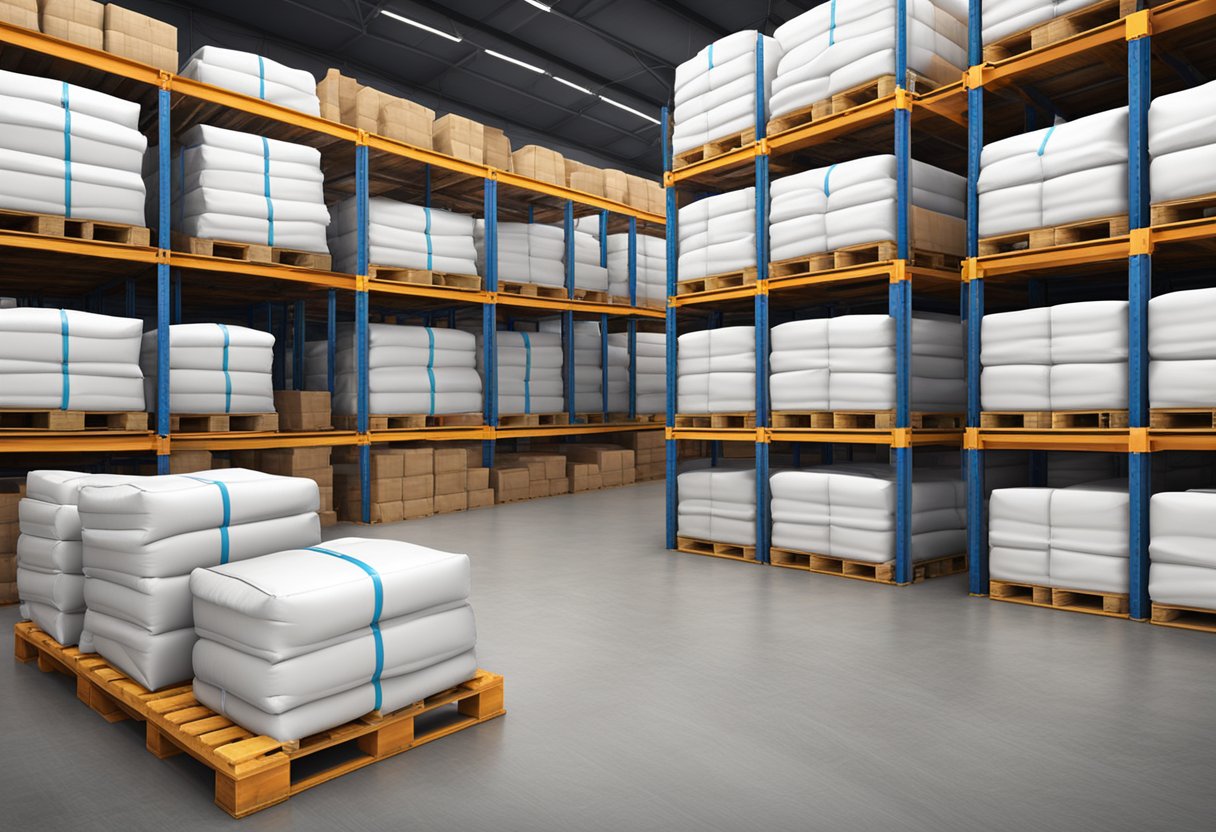
Several bulk bags stacked on pallets in a warehouse

One of the major benefits of bulk bags is their economical nature. They can be reused multiple times, making them an environmentally friendly option. Their robust design ensures they can withstand heavy loads and rough handling, providing a reliable method for material handling.

Furthermore, bulk bags help minimise waste in the Shipping process. Their design allows for efficient use of space, reducing the need for additional packaging materials. This not only saves money but also supports sustainable practices.

Types and Applications
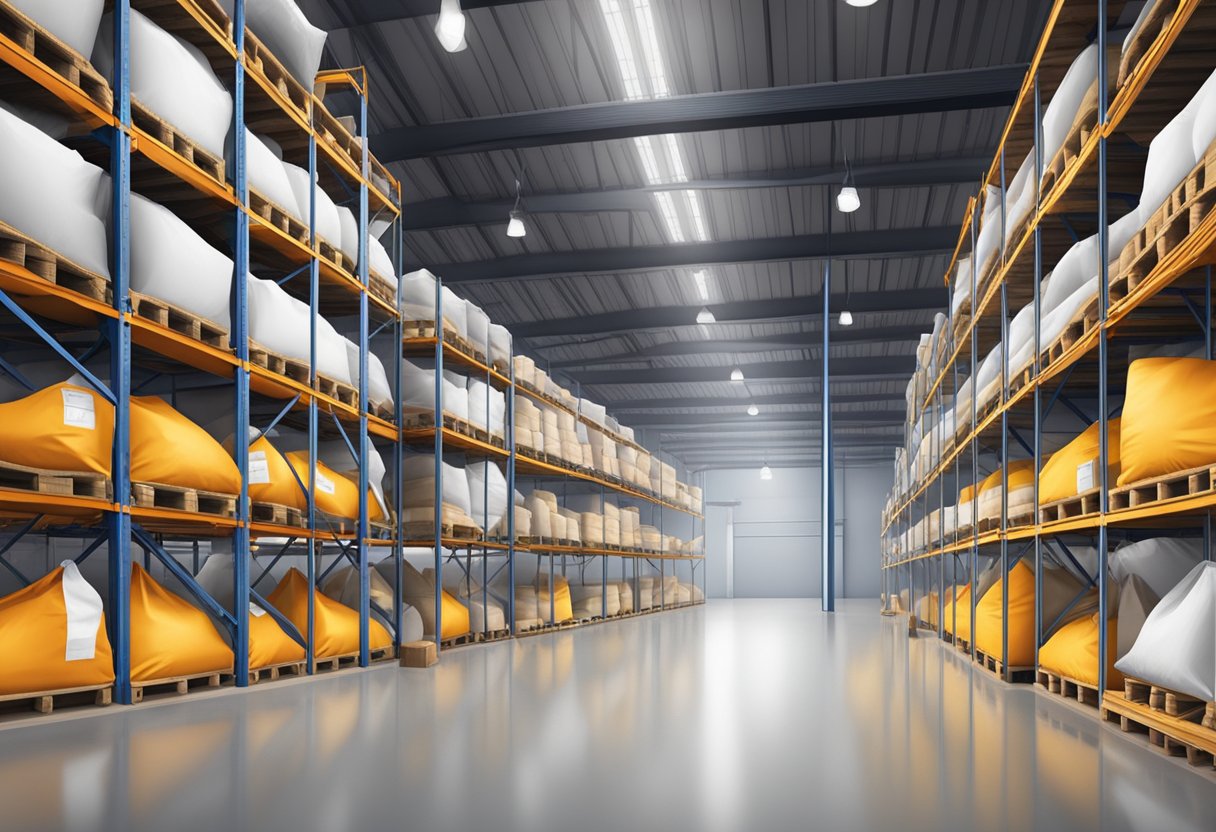
A warehouse filled with various types of bulk bags for industrial applications. Stacks of bags in different sizes and colors, labeled with product information

Bulk bags, also known as FIBCs (Flexible Intermediate Bulk Containers), are versatile and widely used in various industries. They cater to specific needs like safely transporting food, supporting mining operations, and packing agricultural products.

Food-Grade Bulk Bags

Food-grade bulk bags are essential for transporting edible items such as grains, flour, and sugar. These bags meet stringent safety standards like ISO 9001 certification. They are designed to ensure hygiene and prevent contamination. Key features include:

  • Safe Working Loads: Ensures stability and safety during transport.
  • Durable Materials: Made from high-quality polyethylene or polypropylene.
  • Safety Factor Rating: High ratings for handling heavy loads safely.

These bags are critical for maintaining the quality and safety of food products during storage and transport.

Mining and Construction Use

Mining and construction industries use bulk bags to handle heavy and bulky materials such as minerals, sand, and gravel. Aggregate bags designed for carrying these materials are robust and durable. Key attributes include:

  • Reinforced Seams: Adds strength for carrying dense materials.
  • Large Capacity: Suitable for heavy loads, reducing the need for multiple trips.
  • Chemical Resistance: Suitable for various industrial chemicals and materials.

These bags help streamline operations by providing safe and efficient transport solutions in harsh environments.

Agricultural Packaging Solutions

In agriculture, bulk bags play a vital role in packaging products like seeds, animal feed, and fertilisers. These bags offer customised solutions tailored to the specific needs of the agricultural sector. Important aspects include:

  • Moisture Resistance: Protects contents from damp conditions.
  • UV Protection: Ensures durability when stored outdoors.
  • Flexibility: Available in various sizes to handle diverse products.

The intelligent design of these bags supports efficient farming operations by ensuring that products remain safe and uncontaminated during transit.

Design Features and Quality
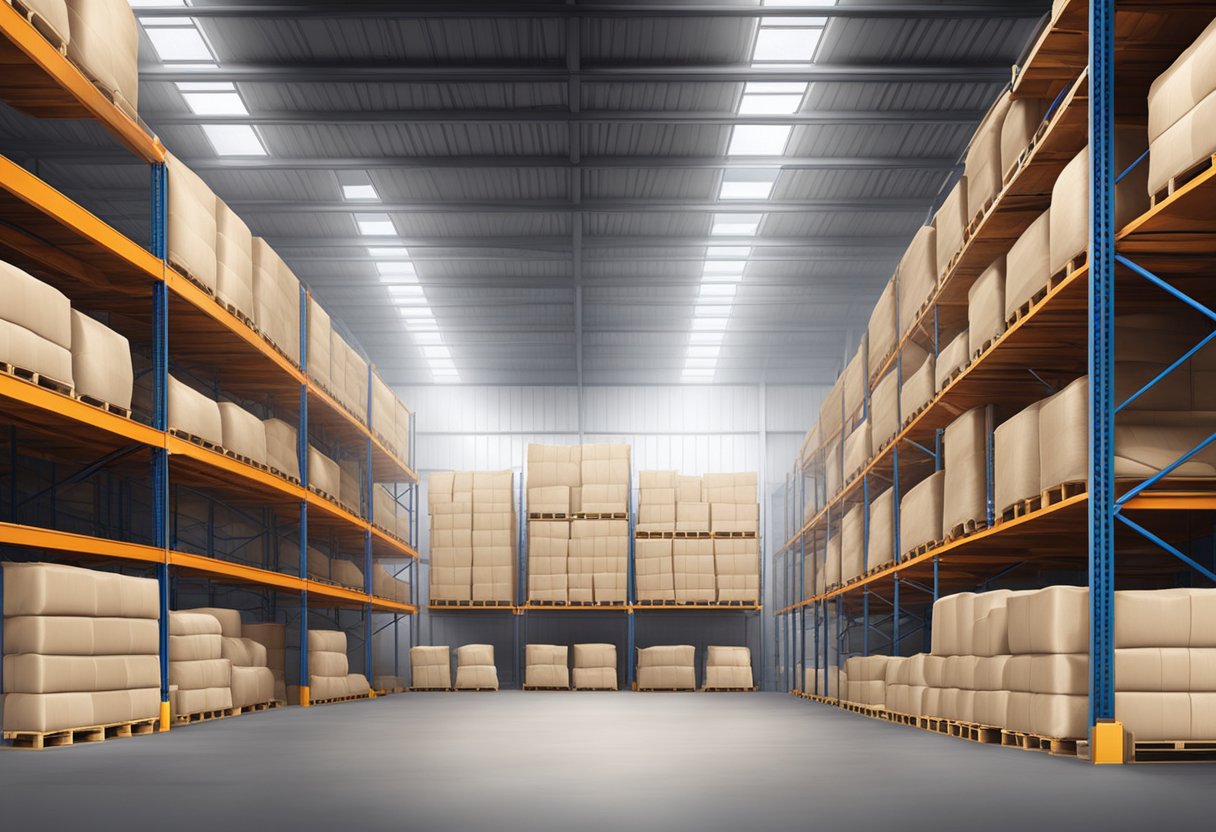
A warehouse with stacks of bulk bags, showcasing durable construction and high-quality materials

Bulk bags are designed with features that prioritise safety, durability, customisation, and environmental impact. These factors are crucial for effective and responsible use, especially in industries handling large volumes of goods.

Safety and Durability

Bulk bags are made from strong materials like woven polypropylene to ensure they can handle heavy loads safely. This material is not only sturdy but also resistant to tearing, providing a reliable container for various contents.

Lifting loops are a key feature adding to the safety. They are strategically sewn into the bags to facilitate easy handling and prevent accidents during transport. Safe Working Loads (SWL) are specified and rigorously tested to ensure each bag can carry the intended weight without failure.

To enhance durability, some bulk bags come with internal liners. These liners protect the contents from moisture and contamination. Whether for transporting chemicals or food products, liners help maintain the integrity and quality of the goods inside.

Customisation and Additional Features

Customisation options for bulk bags are numerous. Custom bulk bags can be made to fit specific needs, whether in size, shape, or material. This allows companies to order bags that are perfectly suited for their unique requirements.

Filling spouts and discharge spouts are common additional features. Filling spouts make it easier to load the bags, while discharge spouts allow for controlled unloading. These features improve ease of handling and operational efficiency.

Printing on bulk bags can include logos, handling instructions, or other critical information. This not only adds a layer of customisation but also helps in branding and safe usage.

Environmental Considerations

Environmental impact is now a crucial consideration in bulk bag design. Many bulk bags are reusable and recyclable, supporting sustainable practices in logistics and storage. Use of eco-friendly materials like recyclable polypropylene helps reduce waste and promote recycling.

Services like easy recycling and recycling services are available for disposed bags. This ensures that at the end of their lifecycle, bags are processed in an environmentally responsible manner.

Some manufacturers focus on creating sustainable and eco-friendly bulk bags to meet high-quality environmental standards. These efforts contribute to reducing the carbon footprint associated with the production and disposal of these bags.

Home

Related Post

Re-Thinking the Traditional Job Interview Process to Make it BetterRe-Thinking the Traditional Job Interview Process to Make it Better

As the saying goes, “The more things change, the more they stay the same.” Despite a major evolution in the hiring process in recent years due to technological innovations, the same traditional job interviews are still in place. The question is: are they still working for you?

If you’re not finding the people you need, or you’re making expensive hiring mistakes, it can cost you in profits and productivity. If that’s the case, it’s time to rethink your interview process and avoid the following mistakes:

Asking generic questions.

Just because you’ve been asking the same questions for years or you found a list of questions from an online resource you trust doesn’t mean you should keep asking the same ones. The success of your interview and hiring process hinges on asking good questions. Perhaps it’s time for a change in this area, whether it’s moving toward asking behavior-based interview questions or creating panel interviews so questions come from multiple perspectives.

Going with your first impression.

First impressions aren’t always accurate. Yet, once they’re made, they are difficult to roll back and change. But don’t base hiring decisions on them. Make sure you’re looking at the full picture of the candidate, from their resume and interview answers to skills testing, references, and background checks. Forming a judgment of a person in a few seconds leaves a lot of room for error, so be aware of that and take steps to avoid it.

Focusing on feelings, not facts.

Similarly, if a candidate comes in and “wows” you, answering questions intelligently and making a favorable impression, don’t automatically offer them the job. Some people are excellent at interviewing and inferior when it comes to doing their jobs. It’s why you’ll want to go beyond the interview. Also, conduct other steps in the process, like personality testing and reference checks, to ensure the individual is the right fit for your Company’s needs.

Avoiding red flags.

Oftentimes, a poor hiring mistake will come with some red flags. Make sure you’re aware of common ones, like exaggerations of job titles or responsibilities, gaps in employment, or discrepancies between their resume and LinkedIn profile. Do some digging and get answers to any divergent information before you make a decision about hiring.

Get professional help hiring.

If you’re ready to hand off the hiring work to experts, let Provisional Recruiting help. As a leading staffing agency serving Spokane and the Northwest, we can prevent these mistakes, so you can hire the smart, dependable people you need. It’s that easy. Get started now by clicking below. 

Provisional | Job Interview Process

Professional Tarmac Contractors UK: Road & Asphalt Specialists. Expert asphalt & tarmac surfacing contractors for a diverse range of private and public projects.Professional Tarmac Contractors UK: Road & Asphalt Specialists. Expert asphalt & tarmac surfacing contractors for a diverse range of private and public projects.

Choose Luddon Construction, your trusted partner for complete tarmac surfacing needs throughout Britain. With years of expertise in the construction industry from 1975, we focus on providing premium surfacing services for diverse applications, from car parks to motorways.

Understanding Tarmac Surfacing

Asphalt surfacing is a commonly utilized material in the construction industry for creating durable and reliable road surfaces. Tarmacadam, often shortened to tarmac, is a road surface material made from bitumen and stone, commonly used for roads, pathways, commercial areas, and highways.

Advantages of Tarmac Solutions

Tarmac surfacing offers multiple advantages, making it a preferred choice for various construction projects:

• Resilient properties ensures enduring pavement
• Able to handle heavy traffic and high-traffic areas
• Superior materials contributes to pavement longevity
• Economical for both domestic and business properties
• Visually appealing with design flexibility

Services We Provide

We offer a range of tarmac contracting solutions to meet varied requirements. Whether it’s a car park, a leisure facility, or a major road, we have the appropriate tarmac surface. Our expertise extends to offering bespoke surfacing, allowing for design flexibility while maintaining resilience throughout the UK.

Expert Application Processes tarmac surfacing methods

Using advanced asphalt surfacing techniques is essential for achieving superior outcomes. Our tarmac specialist team is experienced with various methods, ensuring a even and long-lasting finish. From site groundwork to resurfacing, we use advanced tools and techniques to deliver premium road surfaces for domestic and business properties across the UK.

Site Preparation Services

Thorough road planning and preparation are essential phases in any professional tarmac surfacing project. Our team of surfacing specialists ensures that the existing road surface is properly prepared to receive the resurfacing material. This may require road planning to remove worn or deteriorated asphalt, creating a level and uniform base for the new surface.

Highway and Motorway Services

Road repair and repair are crucial to keeping our road networks operational and secure. As professionals in tarmac surfacing, we offer a full spectrum of highway maintenance services, including surface renewal, defect correction, and protective coatings.

Project Management

Deploying effective site safety plans is a key component of our road and highway services. As qualified surfacing contractors, we understand the need for minimizing disruption during construction activities. Our operational procedures are designed to maintain the safety of both staff and communities.

What Sets Us Apart

Professional Knowledge

With decades of experience, Luddon Construction serves as a specialist company of tarmac surfacing in the UK. Our asphalt experts possess superior skills in both road construction, ensuring top-tier quality for each application.

Commitment to Quality

We are committed to quality workmanship in all our tarmac surfacing projects. Our commitment involves using environmentally friendly materials and methods, lowering our carbon footprint while ensuring the resilient nature of our asphalt surfacing.

Get Started tarmac surfacing

Looking to commence your tarmac surfacing project? Get in touch to request a comprehensive quotation. Our team will review your project requirements and provide a thorough quotation for our tarmac and asphalt solutions, whether for a commercial car park throughout the UK.