Beneficiar Constructii adult,shopping Customize Features: The Garage

Customize Features: The Garage


If you ask most homeowners, you’ll find that many of them do not park their cars in their garage for one reason: it’ss filled with so many other items that there simply isn’t enough room. 

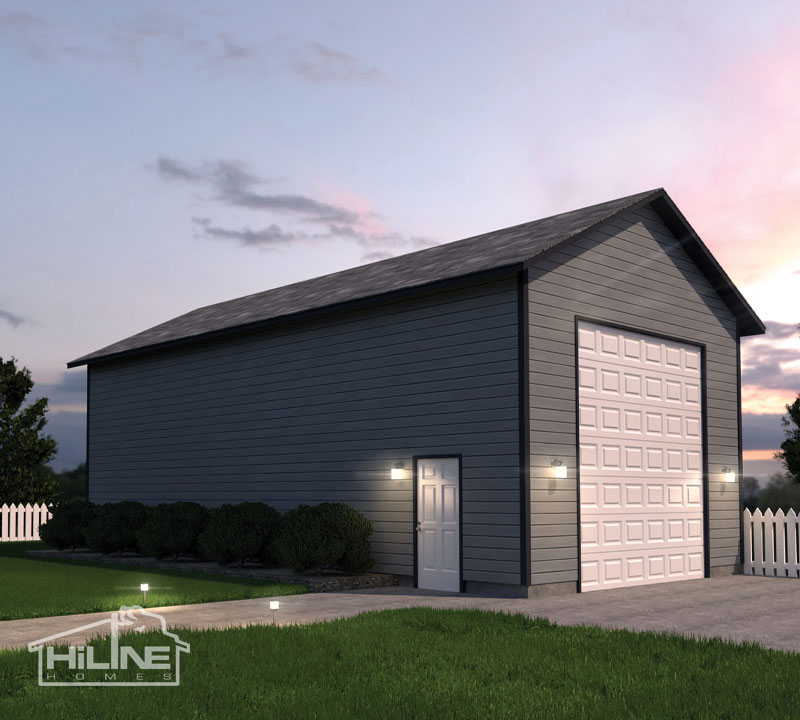
Wouldn’t it be great to have a third bay in your garage? You’d have more room to store your seasonal items, room for a third car, a motorcycle, or a small boat, and more room in your main garage area. You might even end up with enough room to park your car in there!

Here at HiLine Homes, we continually strive to find ways to make quality features available to our homeowners beyond our customizable house plans. There are many unique and fully customizable options for addons, garages, and more available to ensure that your new addition fully encapsulates your vision! We believe that taking the time to design your garage for your specific needs will no doubt benefit you in the long run. One of our most popular floorplans is Plan 3292 which has a spacious 3-car garage. But customizability isn’t just limited to horizontal space.

Do you have a vehicle that will require an 8-foot tall door? Do you need a wheelchair accessible garage with ramps? Would you like the convenience of a garage door opener or perhaps need extra room for a shop? Maybe additional space in a detached garage for a separate space to entertain or work on projects? All of these options and more are available to you as you plan your new home.

Contact your local HiLine Homes office and talk with a Home Consultant about the features you’d like to incorporate in your new home by clicking the link below!  We’ll be happy to help.

Build a Custom Garage

Related Post

Living Inside a Mountain: Exploring the Pros and Cons of Building a Home in the Earth’s EmbraceLiving Inside a Mountain: Exploring the Pros and Cons of Building a Home in the Earth’s Embrace

When one thinks of building a new home, the image that often comes to mind is a traditional house with a picket fence, perhaps nestled in a lush suburban neighborhood or perched atop a picturesque hill. However, a growing number of adventurous individuals are breaking the mold and exploring the possibility of creating their homes deep within the earth, inside mountains. While this concept may seem straight out of a science fiction novel, it’s very much a reality. In this article, we will delve into the intriguing world of underground homes, weighing the pros and cons of living inside a mountain.

**The Pros of Living Inside a Mountain:** new home construction loans

1. **Natural Insulation:** One of the most significant advantages of living inside a mountain is the remarkable insulation provided by the earth itself. The constant temperature of the surrounding rock can help maintain a comfortable interior climate, reducing the need for extensive heating or cooling systems. This not only saves on energy bills but also reduces your carbon footprint.

2. **Energy Efficiency:** The consistent temperature and natural insulation translate into an energy-efficient living environment. You’ll find yourself using less energy for heating and cooling, which contributes to a smaller environmental impact and lower utility bills.

3. **Protection from the Elements:** Underground homes are well-protected from the destructive forces of nature, such as hurricanes, tornadoes, and wildfires. The mountain provides a natural barrier against these disasters, offering safety and peace of mind.

4. **Noise Reduction:** Living inside a mountain often means a quieter existence. The thick layers of earth surrounding your home can dampen external noises, providing a serene living environment. This is a particularly attractive feature if you value tranquility.

5. **Privacy and Security:** Living inside a mountain naturally offers a degree of seclusion and security. You are sheltered from prying eyes and potential intruders, making it an appealing choice for those who seek privacy and peace.

6. **Unique Aesthetics:** The unique aesthetic appeal of an underground home is undeniable. The juxtaposition of modern design with the rugged beauty of the mountain creates a truly distinctive living space.

**The Cons of Living Inside a Mountain:**

1. **Limited Natural Light:** The most obvious drawback of living in a mountain is the lack of natural light. Most underground homes rely on artificial lighting during the day, which can be challenging for some individuals who value sunlight and open spaces.

2. **Ventilation Challenges:** Proper ventilation can be a significant concern. Without fresh air circulation, the air inside an underground home can become stale and humid. This may necessitate the Installation of a ventilation System, which adds to construction and operating costs.

3. **Construction Challenges:** Building inside a mountain is not for the faint of heart. The excavation process can be complex, expensive, and time-consuming. Furthermore, the construction of an underground home requires specific engineering expertise, which can also drive up costs.

4. **Moisture Control:** Maintaining an ideal level of moisture inside an underground home can be tricky. Excessive moisture can lead to mold and mildew issues, while too little moisture can result in a dry and uncomfortable living environment. Managing moisture levels requires vigilance and potentially additional investments.

5. **Dependence on Technology:** Living inside a mountain often means a heavy reliance on technology for basic amenities such as lighting and heating. Power outages can be more challenging to deal with when you’re far below the earth’s surface.

6. **Resale Value and Market Perception:** Underground homes are not always in high demand in the real estate market. If you plan to sell your underground property in the future, you may encounter challenges in finding interested buyers due to their niche nature.

7. **Limited Outdoor Space:** Living inside a mountain typically means limited outdoor space. If you love gardening, outdoor activities, or simply the feeling of open spaces, an underground home may not be the best choice for you.

**Environmental Considerations:**

When considering building a home inside a mountain, it’s important to weigh the environmental impact. On the one hand, the natural insulation and energy efficiency can reduce your carbon footprint. On the other hand, the excavation process can disturb the ecosystem and the local geology. It’s crucial to engage in responsible construction practices and consider the ecological consequences of such a project.

Elevate Your Farmhouse with Perfect Roofing SolutionsElevate Your Farmhouse with Perfect Roofing Solutions

Discover Your Ideal Farmhouse Roofing Options

Begin with a Roofing Reflection

Embarking on the journey to select the perfect farmhouse Roofing options begins with a deep dive into your current roof’s state. It’s about peeling back the layers to uncover the true condition of your existing setup. This initial step is pivotal, guiding you toward making an informed decision that marries both form and function under one roof. Learn more about the cost-effective solutions and how choosing the right roofing material can transform your space.

  • Inspect for Damage: Look for signs that scream for a replacement – leaks, missing shingles, or age wear.
  • Style Synergy: Ensure your new choice in farmhouse roofing options resonates with your home’s architectural narrative.
  • Climate Compatibility: Choose materials that stand tall against the weather patterns unique to your locale.

Style Meets Substance

In the realm of farmhouse roofing options, the aesthetic allure and structural integrity of your home go hand in hand. This section is where dreams meet durability, guiding you through the myriad of materials that promise to protect and protect your pastoral palace. For more insights on enhancing your home’s exterior, explore our guide on climate considerations for roofing .

  • Asphalt Shingles: A budget-friendly beacon, offering a spectrum of styles.
  • Metal Mastery: A durable choice that defies the decades, blending seamlessly with any farmhouse facade.
  • Wooden Wonders: For that quintessential rustic charm, nothing beats the natural beauty of wood.
  • Clay and Slate: The epitome of elegance, offering a lifetime of loyalty to your home.

Crafting the Crown of Your Farmhouse

The Asphalt Advantage

Asphalt shingles are the unsung heroes of farmhouse roofing options, striking a perfect balance between cost-effectiveness and curb appeal. They’re the go-to for homeowners who demand diversity in Design without draining their wallets.

Metal Roofing: A Modern Marvel

Metal roofing stands as a stalwart among farmhouse roofing options, offering unmatched durability and a modern twist to traditional aesthetics. It’s an investment in your home’s future, promising minimal Maintenance and maximum appeal. Uncover the secrets to selecting the perfect architectural styles and roofing for your farmhouse’s unique needs.

The Warmth of Wood

Wooden roofing options whisper tales of timelessness, bringing a piece of nature’s nobility to your farmhouse. They age gracefully, evolving in color and character, making them a cherished choice for those seeking soul in their structure.

Timeless Tiles: Clay and Slate

Diving deep into the annals of architecture, clay and slate tiles emerge as the crowning jewels of farmhouse roofing options. Their formidable lifespan and fierce resistance to the elements make them a wise, albeit weighty, investment.

Innovations and Insights

Solar Shingles and Green Roofs: The Future Underfoot

In the quest for sustainable farmhouse roofing options, solar shingles and green roofs stand out, offering a blend of eco-efficiency and aesthetic elegance. They represent the pinnacle of progressive roofing, turning your home into a haven of harmony with nature. Discover the benefits and beauty of cost-effectiveness of roofing materials for a timeless home aesthetic.

Budget-Friendly Beauties: Rolled Roofing and Synthetics

When the purse strings are tight, but the need for quality is high, rolled roofing and synthetic materials present practical yet pretty farmhouse roofing options. They prove that affordability need not come at the expense of appeal or adequacy.

FAQs: Unveiling the Mysteries of Farmhouse Roofing Options

What are the most popular farmhouse roofing options?

  • Asphalt shingles, metal roofing, wood shingles, clay, and slate tiles stand as the stalwarts in the realm of farmhouse roofing, each offering unique benefits to meet diverse homeowner needs.

How do I choose the right roofing material for my farmhouse?

  • Consider factors like your home’s architectural style, local climate, budget, and the desired lifespan of your roof. Balancing these elements will guide you to your ideal choice among the myriad of farmhouse roofing options.

Can I mix different materials for my farmhouse roof?

  • Yes, combining materials can create a unique aesthetic and functional benefits. However, consult with a roofing professional to ensure compatibility and structural integrity.

Are there eco-friendly farmhouse roofing options?

  • Absolutely! Solar shingles and green roofs are at the forefront of eco-friendly roofing, offering sustainable solutions that don’t sacrifice style or substance.

What should I consider when budgeting for a new farmhouse roof?

  • Beyond the initial cost of materials, factor in installation fees, potential maintenance, and the long-term value of your chosen farmhouse roofing options. Investing wisely can lead to significant savings and satisfaction down the line.

In the quest for the perfect crown for your farmhouse, remember that the best roofing solution is one that aligns with your aesthetic desires, withstands the whims of weather, and falls within your fiscal frame. With the right choice in farmhouse roofing options, your home will stand as a testament to timeless beauty and enduring protection.