Utilising Arinite Health & Safety consultants means having access to a team of experts who are well-versed in the latest health and safety legislation. This expertise is invaluable for businesses looking to navigate the often complex legal Landscape surrounding workplace health and safety. By ensuring compliance,businesses not only avoid potential fines and legal issues but also demonstrate a commitment to their employees’ well-being,which can enhance their reputation as an employer of choice.
The approach taken by Arinite Health & Safety consultants is not just about ticking boxes; it’s about creating a sustainable and safe working environment. By conducting thorough risk assessments,they can identify potential hazards before they become issues,thereby preventing accidents and illnesses. This proactive approach not only protects employees but also safeguards the business against the costs associated with workplace accidents,including lost productivity and increased Insurance premiums.
Furthermore,Arinite Health & Safety consultants place a strong emphasis on education and training. By equipping employees with the knowledge and skills they need to work safely,they empower individuals to take responsibility for their own health and safety as well as that of their colleagues. This creates a culture of safety within the organisation,where safety becomes a shared value rather than a set of imposed rules.
In essence,Arinite Health & Safety consultants are essential for businesses that value the health and safety of their workforce. By partnering with Arinite,businesses can ensure that they not only comply with legal requirements but also create a workplace where employees feel valued and protected. For more information please consult www.arinite.co.uk
Palm Construction Company’s Impressive Residential Project Showcase
Palm Construction Company has etched its name into the residential construction industry’s annals of wonderment with an awe-inspiring display of projects. The company’s unwavering dedication to excellence and a keen eye for minutiae radiates from every residential endeavor they embark upon. From opulent suburban abodes to cutting-edge urban apartments,Palm Construction has triumphantly delivered a diverse portfolio of residential properties that transcend expectations.
One exceptional feat is their creation of an urban utopia nestled in the city’s pulsating heart. This marvel harmoniously fuses contemporary design with utilitarianism,gifting inhabitants with an environs that exudes both comfort and style. Meticulously employing superior materials and pioneering architectural techniques has yielded a resplendent facade that commands attention amidst its surrounding brethren. Within these walls lie sprawling layouts,replete with state-of-the-art amenities and artisanship executed with meticulous precision. Palm Construction has undeniably crafted a residential masterpiece that tantalizes the senses while dutifully satiating the yearnings and aspirations of modern homeowners.
Palm Construction Company has garnered an overwhelming amount of admiration and accolades for its extraordinary residential undertakings. the triumphant narratives surrounding Palm Construction’s residential projects not only boggle the mind but also act as a testament to the company’s unwavering dedication to superiority. Each endeavor emerges as a work of art,showcasing flawless artistry and meticulous attention to every minute facet.
Amongst Palm Construction’s highly revered residential ventures lies an opulent villa nestled in the pulsating heart of a vibrant city. This awe-inspiring masterpiece seamlessly fuses contemporary design elements with ageless sophistication,fashioning an environment that exudes harmonious living. From the very instant you set foot within this abode,your senses are overwhelmed by the magnificence emanating from its capacious foyer and the intricate craftsmanship adorning each nook and cranny. The tastefully curated interiors,adorned with top-of-the-line finishes and lavish amenities,offer an unparalleled existence brimming with luxury. Moreover,the villa’s verdant outdoor landscaping and secluded pool augment its overall allure,transforming it into a bona fide sanctuary amidst the hustle and bustle of urban life.
Exploring Palm Construction’s Masterpieces in Residential Construction
Palm Construction Company has consistently and perplexingly established itself as a leader in the field of residential construction,leaving many in awe. Their masterful approach to Building homes has resulted in an astonishing portfolio bursting with impressive projects that showcase their unparalleled expertise and unwavering attention to detail.
One particular standout masterpiece from Palm Construction is the breathtaking Mediterranean-style villa nestled in the heart of a prestigious neighborhood,leaving spectators dumbfounded. The stunning architecture,adorned with its distinctive arched windows and intricately detailed features,immediately captivates even the most discerning eyes. Upon stepping inside this architectural marvel,one is greeted by a spacious layout and luxurious finishes that seamlessly blend comfort and elegance into an enigmatic harmony. To complete this mesmerizing residential gem’s allure,the meticulously designed outdoor space boasts a landscaped garden and serene pool—creating an enchanting ambiance that leaves onlookers spellbound.
Another notable project crafted by Palm Construction is their modern penthouse perched atop a high-rise building—an urban sanctuary that defies expectations. This extraordinary dwelling showcases sleek lines and contemporary design elements that leave observers bewildered yet captivated at every turn. Bathed in natural light pouring through floor-to-ceiling windows,the living spaces within exude an airy burstiness coupled with vibrant Energy—a true testament to Palm Construction’s commitment to innovation. From sleek flooring choices to state-of-the-art appliances handpicked with meticulous care—the carefully curated selection of materials reflects their dedication to delivering nothing short of excellence. Moreover,residents are afforded panoramic views of the bustling city below while simultaneously enjoying their private oasis above—a juxtaposition both intriguingly perplexing and undeniably alluring.
In each of their residential masterpieces which defy comprehension,Palm Construction’s dedication to excellence shines forth like bursts of brilliance against dark skies—making them not only trusted but also unsurpassed within the industry they dominate effortlessly. With unwavering commitment towards craftsmanship fused harmoniously with the ability to create homes that seamlessly blend beauty and functionality,it comes as no surprise that Palm Construction continues to astonish and stand out as an unrivaled force—a premier residential construction company in a league of its own.
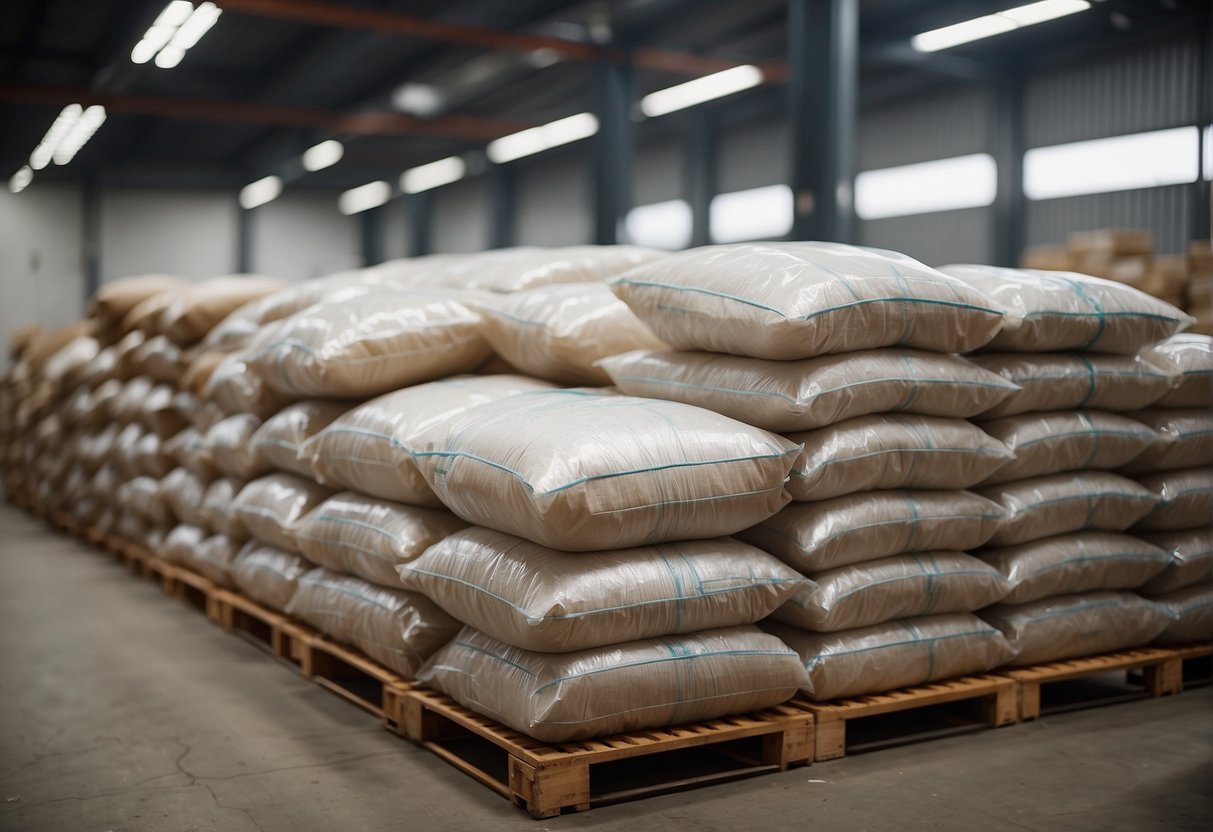
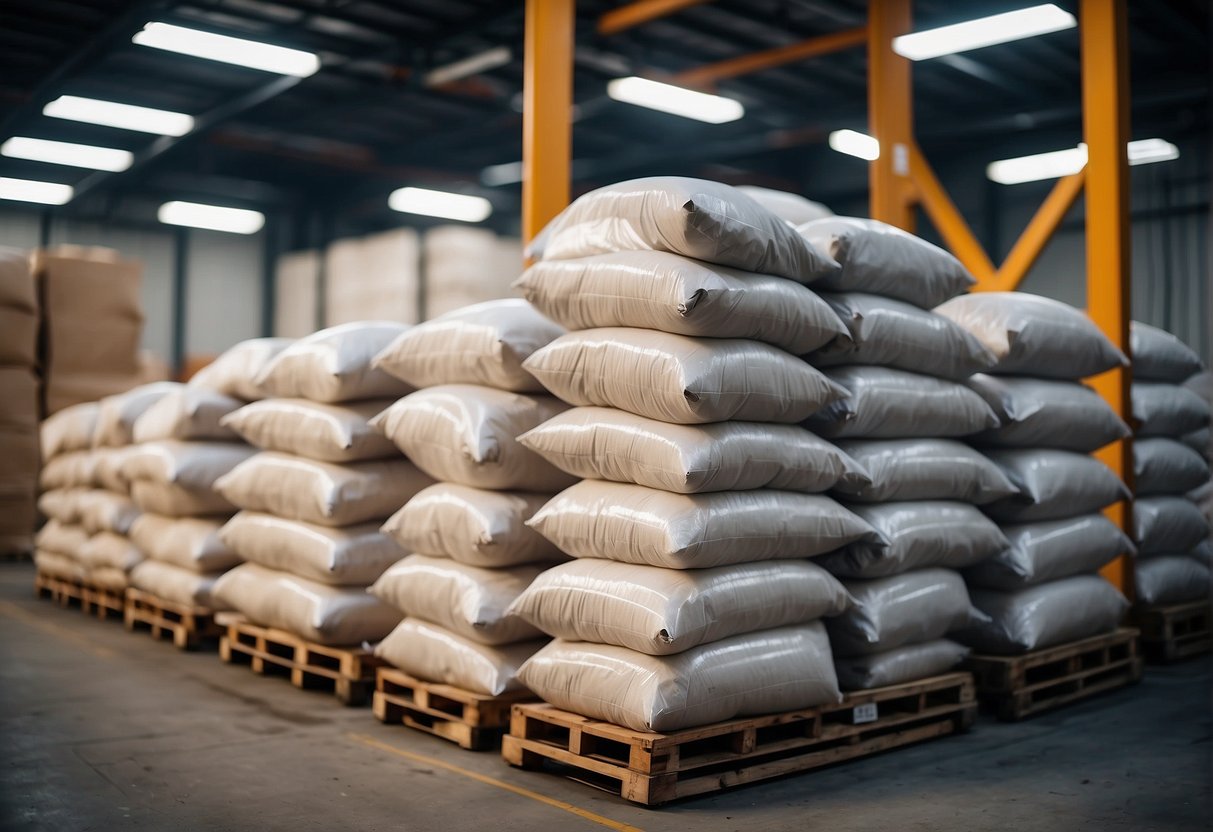
Vaal Bulk Bags are a practical solution for the storage and transportation of a vast range of materials, prominently used in industries such as agriculture, Construction, and mining. These flexible intermediate bulk containers (FIBCs) are designed to handle a significant amount of weight, typically ranging from 500 to 2000 kilograms. Their robust design and versatile nature make them an essential component in logistical operations, facilitating the movement of goods both domestically and internationally with ease and efficiency.
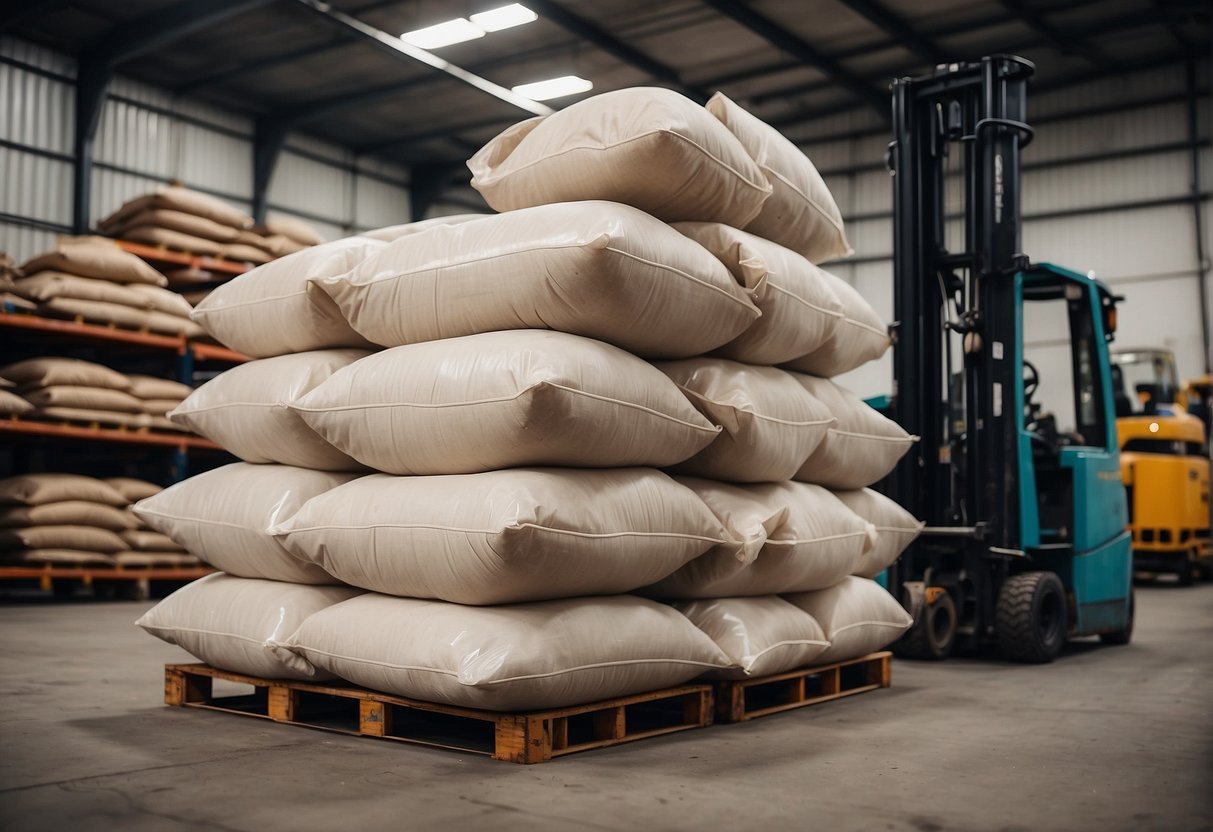
The construction of Vaal Bulk Bags ensures they meet strict industry standards, which is pivotal for maintaining the integrity of the materials they carry. Made from durable polypropylene fabric, they are designed to withstand the rigours of transport and the challenges of storage, such as exposure to the elements and the stress of stacking. The bags usually come equipped with loops or handles, making them easy to lift with machinery such as forklifts and cranes, which is essential for maintaining a swift flow of operations in industrial settings.
Vaal Bulk Bags’ commitment to quality extends to their adaptability to various filling and discharge mechanisms, catering to different industry needs. Whether dealing with fine powders, granules, or larger aggregates, the design of these bags incorporates features such as spouts for controlled pouring or duffle tops for easy access. This flexibility ensures that Vaal Bulk Bags can serve a broad spectrum of purposes, solidifying their reputation as a trusted and efficient tool for bulk material management.
Fundamentals of Vaal Bulk Bags
Vaal Bulk Bags, commonly known as FIBCs (Flexible Intermediate Bulk Containers), are essential for the efficient transportation and handling of various industrial materials in Gauteng and beyond.
Material and Design Specifications
Material: Vaal Bulk Bags are predominantly manufactured from woven polypropylene, a material renowned for its strength and durability. the design of these containers typically includes loop handles for lifting and may feature different types of tops such as filling spouts, open top, valve top, or skirt top.
Design: The structure of these bags ensures flexibility, yet with a stable form that can carry a Safe Working Load (SWL) specific to each bag type. They are engineered with various strength specifications to handle different industry requirements.
Types and Features
There are several types of Vaal Bulk Bags, including the standard builder’s bags for construction materials, and UN certified bags designed for hazardous materials. The features vary by type, with some offering enhanced Ventilation, while others are tailored with spouts for easy discharge. For instance:
Open Top: Ideal for easy loading.
Skirt Top: Allows for securetying and covering.
Valve Top: Designed for controlled discharge.
Bags may also have different bottom designs, like flat or with discharge spouts.
Regulatory Compliance and Standards
Vaal Bulk Bags must comply with rigorous regulatory standards. Certified bags, especially those carrying hazardous materials, adhere to UN certifications. Meeting these stringent regulations ensures safety in transport and handling, while also affirming quality control. The ISO9001 standard is one of the quality benchmarks for these bags.
Bags for Different Industries
Vaal Bulk Bags serve numerous industries, each with specific requirements for handling and transport of materials:
Construction: Standard builder’s bags are used for transporting aggregates, sand, and cement.
Food: High-grade bags ensure safe food transport.
Agriculture: Designed for seeds, grains, and fertilisers.
Mining: Heavy-duty bags cater to the transport of ores and minerals.
Waste Industries: Specialised bags are used for the collection and disposal of waste products.
Their broad applicability showcases their integral role in industrial flexibility and efficiency.
Practical Applications and Sustainability
Vaal Bulk Bags are essential for efficient material handling and offer significant sustainability benefits by being reusable and recyclable. They cater to a diversity of sectors, and their design advances both environmental stewardship and economic efficiency.
Usage in Various Sectors
Vaal Bulk Bags, also known as tonne bags or jumbo sacs, are versatile in their application across multiple industries. In the agricultural sector, they are used for transporting feed, grain, and fertiliser. For construction, they carry sand, gravel, and aggregate. In mining, these bags handle ore and waste materials, ensuring stability during transit. The food industry utilises them in the safe and hygienic packaging of bulk ingredients. Even in retail and DIY projects, smaller bags offer convenience and flexibility.
Environmental and Economic Advantages
Eco-friendly practices are at the forefront of Vaal Bulk Bags’ usage. They are designed for multiple uses, thus reducing waste in landfills. The recycling service available extends the lifespan of these bags, promoting sustainability. Economically, their reusability makes them a cost-effective choice, lowering the need for single-use packaging and consequently decreasing expenses.
Customisation and Logistics
Vaal Bulk Bags can be customised to specific sizes and purposes, whether it’s bespoke batches for a unique requirement or a wide range of bags stocked for immediate shipment. These bags offer a stable and affordable choice with high weight capacity, which is critical in transportation and logistics. They can be designed to fit on pallets, facilitating easy loading and unloading, while Custom options for small bags or second-hand bags enhance their versatility and appeal.