Beneficiar Constructii Uncategorized The Enduring Appeal of Natural Wood Wall Panels in Modern Design

The Enduring Appeal of Natural Wood Wall Panels in Modern Design


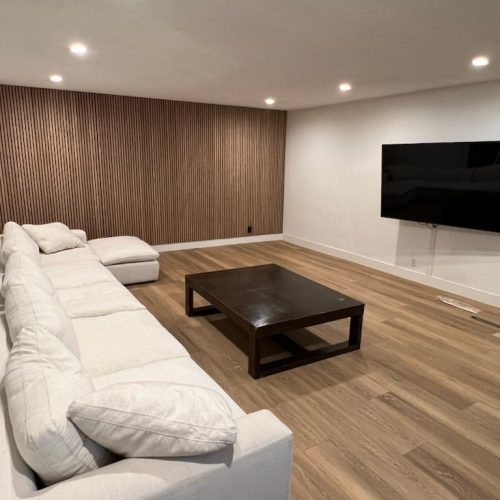
Natural wood wall panels have become a popular feature in modern design, giving warmth, texture, and timeless beauty to spaces. Designers routinely chose these panels because of their versatility, eco-friendliness, and distinct visual appeal. Wood panels are the perfect solution for adding depth and character to any space interior design. Natural wood wall panels can be used in homes, businesses, or commercial spaces to enhance the environment and leave a lasting impact. Let’s look into why they’re so popular in modern design.

1. Unmatched Aesthetic Charm

One of the main reasons natural wood wall panels remain so popular is their visual appeal. Wood generates warmth, making any area feel welcoming. Wood’s various grains, colors, and textures add visual interest, introducing a natural element into modern spaces. Designers use the unique characteristics of natural wood wall panels to enhance interiors with elegance and sophistication.

Versatility in Design

The beauty of natural wood wall panels is their adaptability. They can match a wide range of styles, including rustic, industrial, sleek, and modern. Whether it’s the deep, dark shades of walnut or the light, airy tones of pine, natural wood wall panels offer limitless possibilities for creating the ideal environment.

2. Eco-Friendly and Sustainable Choice

In today’s world, sustainability is key. Natural wood wall panels are an eco-friendly choice, making them popular among environmentally conscious designers. When sourced responsibly, wood is a renewable and biodegradable material, making it a perfect fit for green building projects.

Supporting Sustainable Design

Choosing natural wood wall panels reduces the usage of synthetic materials, which are potentially hazardous to the environment. Designers that use responsibly sourced wood contribute to a healthier earth while delivering high-quality, aesthetically beautiful results.

  • Renewable resource: In contrast to non-renewable materials such as metals and plastics, wood grows back.
  • Low carbon footprint: Wood has a lower carbon impact than synthetic substitutes.
  • Biodegradable: Wood decomposes naturally without emitting hazardous pollutants into the environment.

3. Adding Depth and Texture

One of the most notable qualities of natural wood wall panels is their ability to provide depth and texture to a room. Unlike flat wall surfaces, wood panels add dimension, making walls appear more dynamic and fascinating. The natural differences in the wood grain give the surface a tactile feel that other materials often lack.

Perfect for Creating Focal Points

Whether you’re highlighting a fireplace, entryway, or office feature wall, natural wood wall panels may become the main point of any space. The richness of wood grabs attention without dominating the rest of the space, resulting in a well-balanced design.

4. Ideal for Both Modern and Traditional Spaces

Natural wood wall panels combine modern and classic design features. Whether used in a sleek, contemporary flat or a lovely, natural farmhouse, wood adds to the overall design. It offers timeless elegance while remaining adaptable to changing design trends. Durable and versatile, wood panels elevate both residential and commercial interiors natural panels

Harmonizing with Other Materials

Natural wood wall panels look great with other materials, including concrete, glass, and metal. Combining wood with these industrial elements results in shocking contrasts that highlight the wood’s natural warmth while also bringing a modern touch to the design.

  • Wood + glass: Adds elegance and lightness to a room.
  • Wood + concrete: Creates an industrial-chic aesthetic.
  • Wood + metal: Combines a contemporary edge with earthy warmth.

5. Low Maintenance and Durability

Wood is not only attractive but also quite durable. Natural wood wall panels require less maintenance than other materials such as fabric or wallpaper. Wood panels retain their beauty for years with proper care, such as dusting or polishing on a regular basis.

Long-Lasting Investment

Because natural wood wall panels are extremely sturdy, they can withstand years of use without losing their luster. Unlike other materials that fade, chip, or peel, wood only improves with age, gaining a patina that adds to its beauty.

FAQ About Natural Wood Wall Panels

What types of wood are best for wall panels?

The ideal wood for natural wood wall panels is determined by the space’s intended look and feel. Popular choices include oak, walnut, pine, and maple. Each variety of wood has unique textures and colors, allowing designers to select the one that best complements the room’s aesthetic.

Are natural wood wall panels easy to install?

Yes, natural wood wall panels are relatively simple to install, particularly when they are pre-finished or in modular designs. Professional installers can guarantee that the panels fit precisely and complement the room’s overall appearance.

How can I maintain natural wood wall panels?

Maintaining natural wood wall panels is straightforward. Regular cleaning and the use of wood polish will keep the wood appearing fresh and lively. It’s also vital to keep the panels away from excessive moisture and intense sunshine, which can cause warping or fading over time.

Why Choose Natural Wood Wall Panels?

Natural wood wall panels remain a popular choice among designers seeking to create attractive, sustainable, and timeless interiors because of their aesthetic appeal as well as their eco-friendliness. Their adaptability, texture, and durability make them an excellent choice for both modern and traditional environments. Elevate your living spaces with the luxurious look of natural wood finishes wood accents. Whether you’re renovating a living room, workplace, or commercial area, natural wood wall panels may make your space genuinely extraordinary.

Related Post

Unlocking the Power of Testosterone: Comprehensive Guide for Better HealthUnlocking the Power of Testosterone: Comprehensive Guide for Better Health

Testosterone, a critical androgenic hormone, is instrumental in muscle development, mood regulation, bone strength, and overall health. Its production, mainly in the testes for males and in smaller quantities within the ovaries and adrenal cortex for females, is regulated by luteinizing hormones (LH) and follicle-stimulating hormones.

The benefits of testosterone are vast, improving recovery abilities, promoting anti-catabolic protection, increasing red blood cell count, enhancing protein efficiency, and bolstering sexual health. It also contributes to increased bone density and improved mental health. However, these benefits largely depend on the dosage of testosterone used.

Testosterone Replacement Therapy (TRT) is becoming increasingly popular in addressing low testosterone levels, offering improvements in cognitive function, memory enhancement, mood stability, and new brain cell promotion. TRT can also benefit muscle and bone health, improving physical strength and endurance, and increasing bone density. Additionally, it plays a part in managing cholesterol levels and regulating blood pressure.

However, testosterone supplementation may bring potential side effects, ranging from mild, like acne, to more severe ones, often dependent on the individual and the dosage used.

Testosterone supplements come in various forms: injections, patches or gels, oral tablets, and implanted pellets, offering different release patterns and convenience levels.

While testosterone supplementation can provide beneficial solutions for symptoms of low testosterone, it’s not a one-size-fits-all solution. A decision for supplementation requires an in-depth evaluation of your health status and lifestyle, along with a comprehensive understanding of potential side effects and a commitment to ongoing treatment.

Ultimately, testosterone is more than just a contributor to muscle growth and sex drive. It’s a powerful hormone that plays a pivotal role in physical and mental health. Testosterone supplements can provide an effective solution for those grappling with low testosterone levels, but they should be used responsibly under professional supervision to minimize potential side effects. Get your testosterone supplements to prioritize your health and assist you on your journey to better health.


Which Woods Should Be Used for Wood Wall Paneling?Which Woods Should Be Used for Wood Wall Paneling?

Which Woods Should Be Used for Wood Wall Paneling?

Wood wall paneling has become a popular interior Design trend, with homeowners and designers alike seeking the perfect materials to add style, texture, and warmth to their spaces. Choosing the right wood for your wall paneling is essential for achieving the desired look and durability. When selecting the right

-

for your project, consider factors such as durability and aesthetic appeal. In this guide, we’ll explore the most popular woods used for wall paneling and why they are ideal for various applications.

MDF Wood Paneling

Medium-Density Fiberboard (MDF) is one of the most common choices for wood wall paneling in modern interior design. It offers versatility, affordability, and ease of installation, making it a go-to material for many DIY enthusiasts and professionals.

Benefits of MDF for Wood Wall Paneling

  • Cost-Effective: MDF is significantly cheaper than natural wood, making it a budget-friendly option for wood wall paneling.
  • Smooth Finish: The uniform texture of MDF makes it perfect for painting and finishing, offering a sleek, smooth appearance.
  • Easy to Install: MDF is easy to cut, shape, and install, which simplifies the process for DIYers and professionals alike.

Drawbacks of MDF

  • Moisture Sensitivity: MDF is not Water-resistant, so it’s not suitable for areas with high humidity or potential exposure to moisture, like bathrooms or kitchens.
  • Durability: Although MDF is sturdy, it doesn’t hold up as well as solid wood over time, especially in high-traffic areas.

Plywood for Wood Wall Paneling

Plywood is another popular choice for wood wall paneling, particularly in spaces where a natural wood grain appearance is desired. Plywood is made by layering thin sheets of wood veneer, which gives it strength and stability.

Benefits of Plywood for Wood Wall Paneling

  • Natural Look: Plywood has a beautiful, natural wood grain that adds warmth and character to a space.
  • Durability: Plywood is more durable than MDF and can withstand more wear and tear, making it ideal for high-traffic areas.
  • Versatile: Plywood can be stained, painted, or finished in a variety of ways to suit different design preferences.

Drawbacks of Plywood

  • Cost: Plywood is more expensive than MDF, which might be a consideration for those on a tighter budget.
  • Potential for Warping: Plywood can warp if exposed to moisture, so it’s important to ensure proper sealing and treatment if used in humid environments.

Solid Wood Paneling

For those seeking a timeless and premium look, solid wood paneling is an excellent option. While it can be more expensive than other materials, the durability and aesthetic appeal of solid wood make it a worthwhile investment.

Benefits of Solid Wood Paneling

  • Aesthetic Appeal: Nothing beats the rich texture and natural beauty of solid wood. It adds warmth, depth, and character to any room.
  • Longevity: Solid wood is incredibly durable and can last for decades if properly cared for.
  • Eco-Friendly: Many solid wood options come from sustainable sources, making it an environmentally friendly choice.

Drawbacks of Solid Wood

  • Cost: Solid wood is the most expensive option for wood wall paneling, which may not fit into all budgets.
  • maintenance: Wood requires regular maintenance, such as refinishing or treating to prevent damage from moisture and wear.

Veneer Wood Paneling

Wood veneer is a thin layer of real wood that is applied to a core material, such as MDF or plywood. It offers the aesthetic of solid wood at a more affordable price point.

Benefits of Veneer Wood Paneling

  • Authentic Look: Since veneer is made from real wood, it offers the same visual appeal as solid wood without the high cost.
  • Cost-Effective: Veneer wood paneling is generally more affordable than using solid wood, making it a budget-friendly choice for those seeking a premium look.
  • Lightweight: Veneer paneling is lighter than solid wood, which can make installation easier and less labor-Intensive.

Drawbacks of Veneer

  • Susceptibility to Damage: Veneer can be more easily damaged by scratches or dents, especially if the underlying material is not as durable.
  • Limited Refinish Options: Unlike solid wood, veneer cannot be sanded down and refinished multiple times, so once it’s damaged, it may need to be replaced.

Reclaimed Wood Paneling

For an eco-friendly and rustic aesthetic, **reclaimed wood paneling is a fantastic choice. It involves repurposing old wood from buildings, barns, or other structures, giving it new life in modern interiors.

Benefits of Reclaimed Wood Paneling

  • Sustainability: Using reclaimed wood reduces the demand for new lumber and minimizes environmental impact.
  • Unique Aesthetic: Each piece of reclaimed wood has its own history and character, adding a unique touch to any space.
  • Durability: Many reclaimed woods are from older trees, which tend to be denser and more durable than new-growth wood.

Drawbacks of Reclaimed Wood

  • Cost: Reclaimed wood can be expensive due to the process of sourcing and preparing the wood for use.
  • Inconsistent Quality: Since reclaimed wood comes from various sources, it may have inconsistencies in texture, color, or durability.

Making the Right Choice for Your Wall Paneling

Many homeowners opt for

-

due to its affordability and versatility in design. Choosing the right wood for your wood wall paneling depends on several factors, including your budget, design preferences, and the specific requirements of your space. MDF is ideal for those seeking a cost-effective and easy-to-install option, while plywood and veneer offer a natural wood look at a lower cost than solid wood. For a high-end, timeless appeal, solid wood or reclaimed wood paneling may be the best choice.

Different types of

-

can dramatically alter the look and feel of your space. No matter which material you choose, proper installation and maintenance are key to ensuring your wood wall paneling looks great and lasts for years to come.