Beneficiar Constructii Business,construction,real estate,shopping Vaal Bulk Bags: Your Ultimate Guide to Industrial Storage Solutions

Vaal Bulk Bags: Your Ultimate Guide to Industrial Storage Solutions


Vaal Bulk Bags are a practical solution for the storage and transportation of a vast range of materials, prominently used in industries such as agriculture, Construction, and mining. These flexible intermediate bulk containers (FIBCs) are designed to handle a significant amount of weight, typically ranging from 500 to 2000 kilograms. Their robust design and versatile nature make them an essential component in logistical operations, facilitating the movement of goods both domestically and internationally with ease and efficiency.

A stack of vaal bulk bags sitting in a warehouse, surrounded by forklifts and industrial equipment

The construction of Vaal Bulk Bags ensures they meet strict industry standards, which is pivotal for maintaining the integrity of the materials they carry. Made from durable polypropylene fabric, they are designed to withstand the rigours of transport and the challenges of storage, such as exposure to the elements and the stress of stacking. The bags usually come equipped with loops or handles, making them easy to lift with machinery such as forklifts and cranes, which is essential for maintaining a swift flow of operations in industrial settings.

Vaal Bulk Bags’ commitment to quality extends to their adaptability to various filling and discharge mechanisms, catering to different industry needs. Whether dealing with fine powders, granules, or larger aggregates, the design of these bags incorporates features such as spouts for controlled pouring or duffle tops for easy access. This flexibility ensures that Vaal Bulk Bags can serve a broad spectrum of purposes, solidifying their reputation as a trusted and efficient tool for bulk material management.

Fundamentals of Vaal Bulk Bags
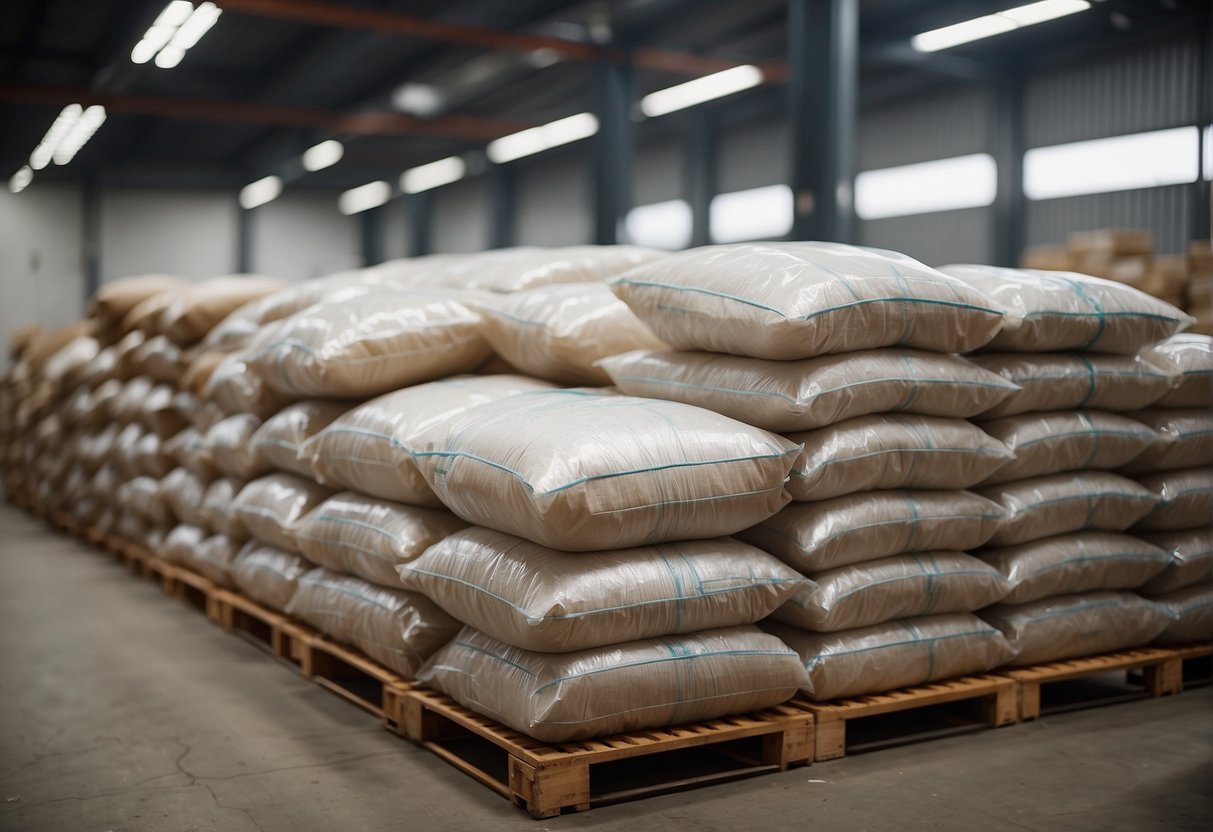
A warehouse filled with stacks of Vaal Bulk Bags, labeled and organized for shipping

Vaal Bulk Bags, commonly known as FIBCs (Flexible Intermediate Bulk Containers), are essential for the efficient transportation and handling of various industrial materials in Gauteng and beyond.

Material and Design Specifications

  • Material: Vaal Bulk Bags are predominantly manufactured from woven polypropylene, a material renowned for its strength and durability. the design of these containers typically includes loop handles for lifting and may feature different types of tops such as filling spouts, open top, valve top, or skirt top.
  • Design: The structure of these bags ensures flexibility, yet with a stable form that can carry a Safe Working Load (SWL) specific to each bag type. They are engineered with various strength specifications to handle different industry requirements.

Types and Features

There are several types of Vaal Bulk Bags, including the standard builder’s bags for construction materials, and UN certified bags designed for hazardous materials. The features vary by type, with some offering enhanced Ventilation, while others are tailored with spouts for easy discharge. For instance:

  • Open Top: Ideal for easy loading.
  • Skirt Top: Allows for securetying and covering.
  • Valve Top: Designed for controlled discharge.

Bags may also have different bottom designs, like flat or with discharge spouts.

Regulatory Compliance and Standards

Vaal Bulk Bags must comply with rigorous regulatory standards. Certified bags, especially those carrying hazardous materials, adhere to UN certifications. Meeting these stringent regulations ensures safety in transport and handling, while also affirming quality control. The ISO9001 standard is one of the quality benchmarks for these bags.

Bags for Different Industries

Vaal Bulk Bags serve numerous industries, each with specific requirements for handling and transport of materials:

  • Construction: Standard builder’s bags are used for transporting aggregates, sand, and cement.
  • Food: High-grade bags ensure safe food transport.
  • Agriculture: Designed for seeds, grains, and fertilisers.
  • Mining: Heavy-duty bags cater to the transport of ores and minerals.
  • Waste Industries: Specialised bags are used for the collection and disposal of waste products.

Their broad applicability showcases their integral role in industrial flexibility and efficiency.

Practical Applications and Sustainability

A warehouse filled with stacks of durable Vaal bulk bags, ready for transportation and storage. The bags are labeled with sustainability certifications and symbols

Vaal Bulk Bags are essential for efficient material handling and offer significant sustainability benefits by being reusable and recyclable. They cater to a diversity of sectors, and their design advances both environmental stewardship and economic efficiency.

Usage in Various Sectors

Vaal Bulk Bags, also known as tonne bags or jumbo sacs, are versatile in their application across multiple industries. In the agricultural sector, they are used for transporting feed, grain, and fertiliser. For construction, they carry sand, gravel, and aggregate. In mining, these bags handle ore and waste materials, ensuring stability during transit. The food industry utilises them in the safe and hygienic packaging of bulk ingredients. Even in retail and DIY projects, smaller bags offer convenience and flexibility.

Environmental and Economic Advantages

Eco-friendly practices are at the forefront of Vaal Bulk Bags’ usage. They are designed for multiple uses, thus reducing waste in landfills. The recycling service available extends the lifespan of these bags, promoting sustainability. Economically, their reusability makes them a cost-effective choice, lowering the need for single-use packaging and consequently decreasing expenses.

Customisation and Logistics

Vaal Bulk Bags can be customised to specific sizes and purposes, whether it’s bespoke batches for a unique requirement or a wide range of bags stocked for immediate shipment. These bags offer a stable and affordable choice with high weight capacity, which is critical in transportation and logistics. They can be designed to fit on pallets, facilitating easy loading and unloading, while Custom options for small bags or second-hand bags enhance their versatility and appeal.

Related Post

What Does Income Replacement Benefits Mean In The Legal Space?What Does Income Replacement Benefits Mean In The Legal Space?

In the legal space, “income replacement benefits” refer to financial compensation provided to individuals who are unable to work and earn income due to an injury, illness, or other qualifying conditions. According to the Munley Law Glossary, these benefits are designed to replace lost wages and provide financial support during periods when an individual cannot work.

Understanding Income Replacement Benefits

Income replacement benefits generally cover the following:

  • Lost Wages: Compensation for the income lost due to the inability to work. This can include wages, salary, or other forms of earned income.
  • Temporary and Permanent Disability: Benefits may be categorized based on whether the disability is temporary (short-term) or permanent (long-term). Temporary benefits support individuals who are expected to return to work, while permanent benefits provide ongoing support for those who may never return to their previous employment.
  • Income Replacement Calculation: The amount of income replacement benefits is typically calculated based on a percentage of the individual’s pre-disability earnings. The exact percentage and calculation methods can vary depending on the specific benefit program or insurance policy.

Types of Income Replacement Benefits

Income replacement benefits can come from various sources, including:

  • Workers’ Compensation: For employees who are injured on the job or suffer from work-related illnesses, workers’ compensation programs provide income replacement benefits. These benefits help cover lost wages while the employee is unable to work due to the injury or illness.
  • Disability Insurance: Individuals with private or employer-provided disability insurance may receive income replacement benefits if they are unable to work due to a covered disability. This can include short-term disability (STD) or long-term disability (LTD) insurance.
  • Social Security Disability Insurance (SSDI): For individuals with long-term disabilities that prevent them from working, SSDI provides income replacement benefits through the Social Security Administration (SSA).
  • Personal Injury Claims: In personal injury cases, individuals who are injured due to the negligence of others may seek income replacement benefits as part of their compensation claim. This typically includes damages for lost wages resulting from the injury.

Legal Implications of Income Replacement Benefits

the provision of income replacement benefits has several legal implications:

  • Eligibility: Eligibility for income replacement benefits depends on meeting specific criteria, such as having a qualifying disability or injury and meeting documentation requirements. The legal definitions and standards for eligibility can vary depending on the benefit program or insurance policy.
  • Benefit Amounts: The amount of income replacement benefits is often determined based on calculations set forth by the relevant insurance policy, workers’ compensation laws, or government programs. Disputes may arise over the calculation of benefits or the adequacy of the compensation.
  • Legal Challenges: Denial of benefits or disputes over the amount of compensation can lead to legal challenges. Individuals may need to appeal decisions or file lawsuits to obtain the benefits they believe they are entitled to.
  • Tax Implications: The tax treatment of income replacement benefits can vary. Some benefits may be taxable, while others may be tax-exempt. Understanding the tax implications is important for financial planning.

Role of Munley Law Glossary

The Munley Law Glossary provides definitions and explanations of legal terms related to income replacement benefits, helping individuals, attorneys, and others navigate the complexities of claiming and receiving these benefits.

Income replacement benefits are designed to provide financial support for individuals who are unable to work due to injury or disability. These benefits help cover lost wages and support individuals during their recovery or disability period. Understanding the types of income replacement benefits, eligibility requirements, and legal implications, as detailed in the Munley Law Glossary, is essential for navigating benefit claims and ensuring proper financial support.

Demystifying Contractor Terminology: A Homeowner’s Guide to Grasping Renovation TerminologyDemystifying Contractor Terminology: A Homeowner’s Guide to Grasping Renovation Terminology

Browsing a home renovation job can be daunting, specifically when discussions with your specialist seem like they’re happening in a different language. The world of building, as pointed out at https://bbbhomeremodeling.com/5-signs-good-remodeling-contractor/, is filled with particular terms and phrases that can be difficult to the uninitiated.

This short guide intends to bridge that space, offering clear descriptions for a few of the most typical “professional speak” you’re likely to come across during a redesigning task. By equipping yourself with this understanding, you’ll be better prepared to interact efficiently, make notified decisions, and ensure your restoration runs efficiently.

Understanding the Fundamentals

  • Modification Order: An official file that lays out any changes to the original project plan, consisting of adjustments in cost and timeline. It’s crucial because it guarantees both parties settle on changes after the contract is signed, says their website .
  • Bearing wall: This is a wall that supports the weight of the elements above it, such as the Roofing system or upper floorings. Getting rid of or altering these walls needs cautious planning and typically, reinforcement methods.
  • R-Value: A measure of insulation’s ability to resist heat flow. The higher the R-value, the much better the insulation efficiency. Understanding this can help you make energy-efficient options in your renovation.

Browsing the Process

  • Draw: Part of the payment plan for the job, a draw is a scheduled release of funds from the financing source, based upon the conclusion of pre-defined phases of work. It makes sure the specialist gets paid for progress without the homeowner footing the entire expense upfront.
  • Subcontractor: Specialists employed by the general specialist to carry out specific tasks, such as plumbing, electrical, or roof. Comprehending this function helps you comprehend who’s responsible for what in your renovation.
  • Punch List: A list produced at the end of the job detailing minor tasks and repairs that need to be completed before final payment is made. It’s the finish line of your project, guaranteeing everything fulfills your standards.

Budgeting and Contracts

  • Contingency: A financial buffer (normally 10-20% of the project cost) reserve for unanticipated expenses. Having a contingency is essential for addressing surprises without blowing your general spending plan.
  • Lien Waiver: A file from the contractor or subcontractor stating they have actually received payment and waive any future lien rights to your home for the amount specified. It’s important for safeguarding yourself versus claims for overdue work.
  • Scope of Work: A detailed description of all work to be carried out under the contract, consisting of products, labor, and services. Clarity in the scope of work prevents misunderstandings and disagreements.

By acquainting yourself with these terms, you’ll not just enhance your interaction with your specialist but likewise gain confidence in supervising your home renovation task. Keep in mind, a well-informed homeowner is an empowered house owner. Accept the restoration journey with knowledge and self-confidence, understanding you’re fully equipped to manage the specialist speak.