Beneficiar Constructii software,vehicles 5 Electronic Applications for Jack Screws

5 Electronic Applications for Jack Screws


When it comes to electronic applications,the design and choice of hardware components can play a critical role in ensuring optimal performance and reliability. One such part that often goes overlooked for its controllable linear motion abilities and significant impact on electronics is the jack screw.
 

Jack Screws Defined

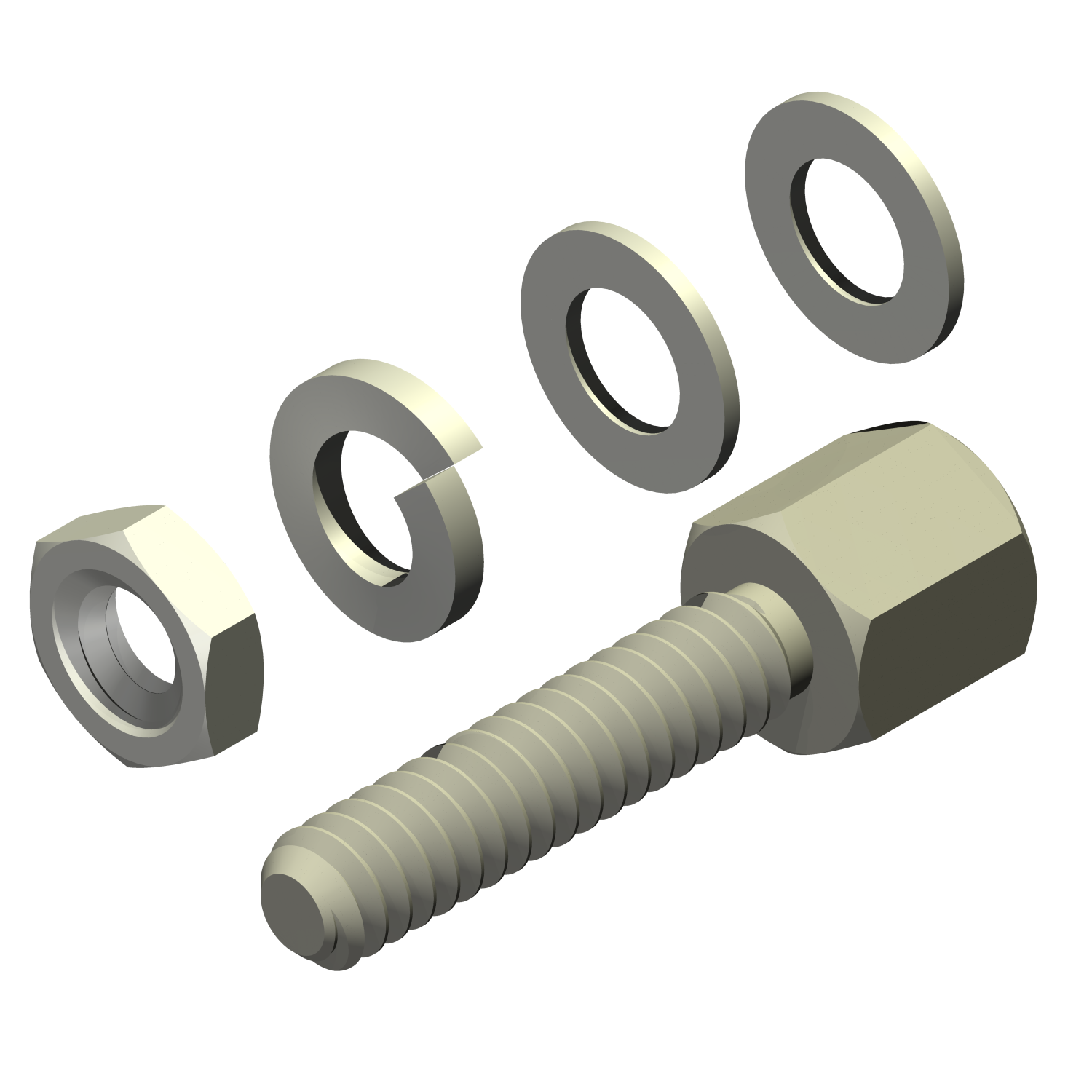
Jack screws are a type of screw that is designed specifically for use in electronic applications and are typically small and made from materials such as brass or stainless steel. They are constructed with a threaded shaft and a head that allows for easy tightening and loosening,but they also have a secondary threaded shaft that runs perpendicular to the main shaft. This secondary shaft is used to secure the jack screw in place and prevent it from rotating.

The threaded jack scews are,in fact,male-female fasteners that can serve a few purposes when used with D Subminiature Style Electrical Connectors:

  • They create a locking system to maintain a secure connection. 
  • They align the connectors into their proper placement.
  • They draw the two connectors together for a tight and proper fit.
  • They reduce the potential of mated connectors coming loose during use.
  • They reduce the strain being placed on the connector’s pins over time.
     

Applications: Where Jack Screws Are Used

Small components can have a big impact and jack screws can be an essential part of Building electronic devices. Here are 5 uses for jack screws:

  1. Board-to-Board Connections – Jack screws are commonly used to secure printed circuit boards (PCBs) to each other. This ensures that the boards remain aligned and in proper electrical contact with each other.
  2. Panel Mounting – Jack screws can be used to mount electronic panels or components to a chassis or enclosure. This provides a secure and stable mounting solution that can withstand vibration and shock.
  3. D-sub Connectors – Jack screws are often used to secure D-sub connectors,which are commonly found in computer and audio equipment. The jack screws help to ensure a secure and reliable connection between the connector and its mating port.
  4. Rack Mounting – Jack screws can be used to mount electronic equipment in server racks or other similar structures. This provides a secure and organized mounting solution that can be easily accessed and maintained.
  5. Cable management – Jack screws can be used to secure cables or cable management devices in place. This helps to prevent the cables from becoming loose or tangled,which can lead to poor performance or even failure.


Design Considerations

When designing electronic applications that will use jack screws,there are a few key considerations to keep in mind:

  • Material: Jack screws can be made from a range of materials,but the choice of material will depend on the specific application. Brass or stainless steel are common choices due to their strength and corrosion resistance.
  • Thread Size: The size of the jack screw’s threads will depend on the application and the components being joined. It’s important to choose a thread size that is compatible with both components to ensure a secure connection.
  • Length: The length of the jack screw will depend on the thickness of the components being joined. It’s important to choose a jack screw that is long enough to provide a secure connection but not so long that it protrudes too far beyond the components.


Secure the Screwlocks You Need Here

Jack screws may seem like a small and insignificant component,but they play a critical role in ensuring the reliability and performance of electronic applications. By understanding their use cases and design considerations,engineers can choose the right jack screws for their applications and achieve optimal results. We at Lyn-Tron offer a wide variety of materials,platings,threads,and length combinations for your unique applications. From aluminum to stainless steel and brass to steel,our selection of jack screws provides for a range of electronic applications. We offer threads in both metric and standard inch sizes with Custom threads available when requested.

Explore our selection by using the link below:

Lyntron | Electronic Hardware & Electronic Components

Related Post

Embracing the Hybrid Remote ModelEmbracing the Hybrid Remote Model


The office environment has undergone remarkable changes in recent years, with the emergence of the hybrid remote model standing out. This concept blends the conventional office setting with the advantages of remote work, resulting in a versatile work setting that accommodates diverse employee needs.

A Revolution in Work

The hybrid remote model is not merely a stopgap measure to the problems brought by recent global events. It is a long-term shift that signifies a new perspective of work-life balance and employee effectiveness.

Adaptability and Autonomy

One of the key benefits of the hybrid model is the freedom it offers to employees. Workers can choose when to work from the office and when to work from home, leading to enhanced work-life balance and overall job satisfaction.

Enhanced Productivity and Engagement

By enabling employees to work in their preferred environments, the hybrid model can result in higher productivity. Additionally, it encourages a sense of independence, which is often a strong motivator for improved engagement and inventiveness.

Difficulties and Opportunities

While the hybrid model brings many benefits, it also comes with its own set of challenges. Ensuring a unified team culture and effective communication tends to be difficult when team members are spread out across different settings.

Leveraging Technology

To address these challenges, many organizations are adopting advanced technology solutions. Tools for virtual meetings, project management, and staff connection are essential in keeping up team dynamics.

The Role of Leadership

Effective leadership is critical in managing the change to a hybrid model. Leaders must be responsive and empathetic, recognizing the distinct needs of their staff and developing policies that support this new way of working.


The hybrid remote model represents a significant shift in the way we view the workplace. It provides a balance of flexibility, productivity, and employee satisfaction that caters to the evolving needs of the modern workforce. As we move forward, it is evident that this model will continue to define the Landscape of work.

High-rise Office Building ConstructionHigh-rise Office Building Construction

The Art of Building Skyscrapers: Factors to Keep in Mind

The Construction of skyscrapers is a perplexing and bewildering undertaking that demands meticulous contemplation of myriad factors. Amongst the plethora of considerations, one factor stands out as supremely critical: the structural integrity of these towering edifices. These majestic structures are incessantly bombarded by formidable vertical and lateral forces, unleashed by nature’s tempestuous elements like gusty winds and seismic tremors, imposing colossal pressure on their constitution. Thus, it becomes imperative for engineers and architects to forge an intimate alliance in order to fashion a design that can valiantly withstand these relentless forces and furnish a haven of Safety for its inhabitants.

Another pivotal aspect that warrants careful deliberation is the foundation upon which these sky-reaching behemoths rest. This bedrock serves as the fundamental underpinning upon which the entire structure takes shape, playing an indispensable role in evenly disseminating the weight burdened upon it. Given the staggering altitude and ponderous massiveness characteristic of skyscrapers, prudence dictates that their foundations be meticulously crafted to obviate any perilous subsidence or precarious instability. Meticulous scrutiny through extensive soil analysis emerges as paramount in determining the most suitable type of foundation tailored to suit each Building’s unique location; whether it be an all-encompassing deep pile foundation or a more comprehensive raft foundation. Furthermore, employing innovative construction methodologies such as concrete-filled steel tubes or reinforced concrete cores can serve as potent reinforcements augmenting both resilience and robustness within these architectural marvels.

Designing the Future: Innovations in Office Building Construction

Office building construction has embarked on an extraordinary journey in recent years, propelled by a multitude of mind-boggling innovations that have completely transformed the very essence of how these architectural marvels are conceived and erected. One such innovation, which stands out like a beacon amidst this sea of progress, is the integration of green building materials and sustainable practices. With an ever-growing emphasis on environmental consciousness, visionary designers and architects have ingeniously woven together elements like energy-efficient systems, bountiful natural lighting, and flourishing green Roofs into the tapestry of office building designs. Not only do these remarkable features mitigate the ecological impact of these structures but they also forge environments that are more salubrious and captivating for those who toil within their walls.

But it doesn’t stop there; technology too has emerged as a pivotal force in shaping the destiny of office building construction. The advent of smart buildings has irreversibly revolutionized every facet associated with these edifices – from management to operation. Empowered by cutting-edge sensors, automation systems brimming with intelligence, and data analytics that rival sorcery itself – office buildings now possess an unprecedented ability to optimize energy consumption levels while simultaneously fortifying security protocols. Moreover, this seamless amalgamation between technology and architecture bestows upon us an unparalleled flexibility when it comes to designing workspaces that can effortlessly adapt to our ever-evolving needs and trends. These awe-inspiring innovations not only elevate efficiency levels beyond imagination but also lay down the foundations for workplaces that embody sustainability at its core whilst being imbued with a wisdom so profound.

Truly then, we stand witness to a brave new world where perplexity intertwines with burstiness in perfect harmony – birthing workplaces that transcend mere functionality; embracing instead a future where ingenuity reigns supreme!

Navigating the Urban Landscape: Challenges in Constructing Tall Buildings

The construction of tall buildings in urban landscapes is an enigmatic endeavor, fraught with a labyrinthine array of obstacles that must be deftly navigated by architects, engineers, and construction teams. One such challenge arises from the scarcity of space available for construction, as these towering edifices often find themselves ensconced amidst preexisting structures, roads, and other facets of urban infrastructure. This necessitates a meticulous choreography of strategic planning and coordination to optimize the utilization of available space while minimizing disruptions to the surrounding environment.

Yet another formidable hurdle lies in constructing skyscrapers within bustling urban realms – the imperative to withstand external forces like tempestuous winds and seismic tremors. These relentless forces exert immense pressure upon these architectural wonders, demanding scrupulous design methodologies and engineering expertise to ensure their stability and safety. Moreover, elevating structures vertically entails establishing a robust foundation capable of supporting gargantuan loads – an undertaking that frequently calls for prodigious excavation endeavors supplemented by fortified concrete footings. The intricacies involved in erecting lofty buildings amidst urban backdrops command assiduous contemplation of these challenges if one seeks successful realization of these awe-inspiring masterpieces.