What to Know About Ray Tracing and AI Enhancements in NVIDIA Graphics CardsWhat to Know About Ray Tracing and AI Enhancements in NVIDIA Graphics Cards


NVIDIA graphics cards are renowned for their performance in gaming and AI applications. The GeForce RTX series is a popular choice among gamers due to its ray tracing capabilities. tinas.ae/nvidia-geforce-rtx-3090-founders-edition/

Comparing Ray Tracing to Traditional Rendering

Ray tracing signifies a paradigm shift in graphical fidelity, distinguishing itself markedly from traditional rendering techniques. Unlike the rasterization process, which relies on projecting 3D models onto a 2D plane and processing them in a sequence, ray tracing simulates the way light interacts with objects. This method follows rays of light as they travel through a scene, calculating reflections, refractions, and shadows with astonishing realism. Gaming environments enhance immersion as dynamic light sources illuminate scenes. Traditional rendering, in contrast, often simplifies light dynamics for quicker performance, leading to less realistic visuals.

The intricacies of ray tracing introduce both advantages and drawbacks. One of the primary benefits includes unparalleled visual detail, allowing for lifelike textures and lighting effects that can transform the gaming experience. However, the computational power required for ray tracing can lead to performance challenges. Users may experience reduced frame rates and increased load times, especially on lower-end hardware. Traditional rendering, while less visually impressive, remains more accessible to a broader range of devices, ensuring smoother gameplay. Balancing these elements becomes crucial for developers as they strive to integrate ray tracing into mainstream gaming.

Advantages and Disadvantages of Each Method

Ray tracing offers significant advantages, particularly in terms of realism and lighting effects. This rendering technique simulates the way light interacts with objects in the environment, producing more accurate reflections, shadows, and textures. Gamers often appreciate the immersive experience that ray tracing brings to graphics, enhancing environments with striking visuals. These improvements can create a more cinematic experience, drawing players deeper into their gaming worlds. However, the high computational demands associated with ray tracing can lead to lower frame rates, especially on older hardware.

Traditional rendering methods, such as rasterization, provide clear benefits in performance. These methods are less resource-intensive and can maintain higher frame rates, which is crucial for competitive gaming. Many gamers prefer the smooth gameplay that rasterization delivers, particularly in fast-paced scenarios. Despite lacking the same level of visual fidelity as ray tracing, this approach still produces appealing graphics and often allows for better optimization. As a result, developers may favor traditional methods when prioritizing gameplay smoothness over hyper-realistic visuals. Each method presents distinct trade-offs that cater to different types of gamers and experiences.

The Impact of Ray Tracing on Gaming

Ray tracing has revolutionized the way gamers experience visual effects in video games. This technology simulates realistic lighting by modeling the way light interacts with objects in a virtual environment. Shadows cast in real time adapt dynamically to characters and scenery, contributing to a deeply immersive atmosphere. With every reflection and refraction accurately depicted, environments feel more alive. Developers leverage ray tracing to create intricate details in water surfaces, materials, and complex lighting scenarios, elevating graphics from mere images to an engaging visual narrative.

The impact of ray tracing on gaming extends beyond mere aesthetics. Increased realism can enhance gameplay by allowing players to better gauge their environment, particularly in competitive settings where visibility of subtle details matters. However, the demand for computational power can strain hardware, making optimization crucial. Many gamers are adopting NVIDIA graphics cards, which harness ray tracing’s potential while offering AI enhancements. This combination not only improves graphical fidelity but also operates within the performance limits of contemporary gaming systems, striking a balance between stunning visuals and smooth gameplay.

FAQS

What is ray tracing and how does it differ from traditional rendering?

Ray tracing is a rendering technique that simulates the way light interacts with objects to create realistic images. Unlike traditional rendering, which often uses rasterization, ray tracing calculates the effects of light more accurately, resulting in enhanced visual fidelity.

What are the advantages of ray tracing in graphics rendering?

The advantages of ray tracing include improved realism through accurate reflections, shadows, and lighting effects. It enhances the overall visual quality of games and applications, making scenes appear more immersive and lifelike.

Are there any disadvantages to using ray tracing?

Yes, the main disadvantages of ray tracing include higher computational demands and longer rendering times compared to traditional rendering methods. This can lead to lower frame rates unless powerful hardware, such as NVIDIA graphics cards with dedicated ray tracing support, is used.

How do AI enhancements improve the performance of NVIDIA graphics cards?

AI enhancements utilize machine learning algorithms to optimize graphics rendering, improve upscaling, and reduce latency. This allows for smoother gameplay and better performance in demanding visual environments while maintaining high quality.

Which NVIDIA graphics cards support ray tracing and AI enhancements?

NVIDIA’s RTX series graphics cards, including the RTX 20, 30, and 40 series, support ray tracing and AI enhancements. These cards are designed to leverage dedicated hardware for real-time ray tracing and AI-driven features, providing significant boosts in gaming performance and visual quality.


How to Get Rid of Iron in Water: A Complete GuideHow to Get Rid of Iron in Water: A Complete Guide


Are you tired of those ugly orange stains in your sinks and toilets? 

We understand how frustrating iron in your water can be. Let’s walk through everything you need to know about getting rid of iron in your water, explained in simple terms that anyone can understand.

What Causes Iron in Water?

Before we jump into solutions, let’s understand where this problem comes from. Iron naturally exists in the earth’s soil and rocks. When water moves through these materials, especially in well water, it picks up iron along the way. Think of it like tea steeping in water – the longer water sits in iron-rich soil, the more iron it collects.

How Do You Know If You Have Iron in Your Water?

Here are some common signs that you’re dealing with iron in your water:
– Orange or brown stains in sinks, tubs, and toilets
– Metallic-tasting water
– Clothes coming out of the wash with rusty stains
– Water that looks clear when first drawn but turns orange after sitting

Simple Solutions for Iron Removal

Let’s look at different ways to tackle iron in your water, starting with the easiest methods:

1. Water Softeners
If you have low to moderate iron levels (under 3 parts per million), a water softener might do the trick. Water softeners are like magnets that attract iron and other minerals, pulling them out of your water. However, they’re not the best choice if iron is your only problem.

2. Iron Filters
These are the champions of iron removal. Iron filters are specially designed to tackle iron problems, and they work like a strainer that catches iron particles while letting clean water through. Resource: SoftPro Water Systems

They’re perfect for:
– Well water with high iron
– Homes with orange staining problems
– Situations where water softeners aren’t enough

3. Oxidation Systems
Think of oxidation like turning iron rust. These systems use air or chemicals to convert dissolved iron (the kind you can’t see) into particles that can be filtered out. It’s like making the invisible enemy visible so we can catch it!

Steps to Get Started

1. Test Your Water
First things first – we need to know what we’re dealing with. 

Get your water tested to find out:
– How much iron you have
– What type of iron it is
– If there are other problems to address

2. Choose Your Treatment Method

Based on your test results, pick the right solution:
– Less than 3 ppm iron: Consider a water softener
– More than 3 ppm iron: Look into an iron filter
– Multiple water issues: Maybe combine treatments

3. Install Your System

While some handy homeowners can install simple systems, we usually recommend professional installation for:
– Proper system sizing
– Correct installation
– Optimal performance setup

Maintenance Tips

Once you’ve got your iron removal system in place, here’s how to keep it running smoothly:

1. Regular Checks
– Look at your water quality monthly
– Watch for any changes in taste or color
– Check for new staining

2. System Maintenance
– Clean or replace filters as recommended
– Add salt to water softeners when needed
– Schedule yearly professional check-ups

Cost Expectations

Let’s talk about what you might spend to fix your iron problems:

– Water Softeners: $800-$2,500 installed
– Iron Filters: $1,500-$3,000 installed (SoftPro Iron Filters)
– Oxidation Systems: $2,000-$4,000 installed

Remember, these are investments in your home that will:
– Protect your plumbing
– Save money on cleaning products
– Prevent damage to appliances
– Improve your water quality

When to Call a Pro

While we love DIY solutions, sometimes you need expert help. Call a water treatment professional when:
– You’re not sure what’s causing your iron problems
– Your DIY solutions aren’t working
– You need help choosing the right system
– It’s time for installation or maintenance

Final Thoughts

Getting rid of iron in your water doesn’t have to be complicated. Start with testing, choose the right solution for your situation, and maintain your system properly. Remember, every home is different, so what works for your neighbor might not be the best choice for you. 

Need more help figuring out your iron problem? 

Here’s a great solution: Katalox iron filter by SoftPro or reach out to a local water treatment expert who can test your water and recommend the perfect solution for your home.  Either way, you’ll want to correct this issue with your home’s water before consuming or bathing in water with iron.  Here’s to your health and well-being!

Virtuell ledarskapscoaching i en digital eraVirtuell ledarskapscoaching i en digital era


I takt med att arbetslivet blir allt mer digitalt och geografiskt utspritt har virtuell ledarskapscoaching blivit en central del av modern ledarutveckling. Tekniken har öppnat dörrar till flexibla och tillgängliga coachingmöjligheter, vilket gör det möjligt för ledare att få stöd oavsett var de befinner sig. Men med dessa möjligheter kommer också unika utmaningar som både coacher och ledare måste navigera.

Tillgänglighet och flexibilitet

En av de största fördelarna med virtuell ledarskapscoaching är tillgängligheten. Genom digitala verktyg som videokonferenser, chattplattformar och molnbaserade verktyg kan ledare få coaching när det passar dem bäst. Detta skapar en flexibilitet som traditionell, platsbunden coaching inte alltid kan erbjuda. Ledare kan delta i coachingsessioner från sitt kontor, hemmet eller till och med under affärsresor, vilket minskar tids- och resurskrävande barriärer.

Utmaningar med digital kommunikation

Trots fördelarna finns det vissa utmaningar med virtuell coaching. Digitala kommunikationsverktyg kan ibland skapa en känsla av distans och minska möjligheten att tolka kroppsspråk och subtila signaler. För att övervinna dessa hinder behöver både coach och ledare vara extra medvetna om hur de kommunicerar i den digitala miljön. Aktivt lyssnande, tydlig struktur och regelbunden återkoppling blir ännu viktigare i en virtuell kontext.

Tekniska verktyg och plattformar

För att virtuell coaching ska bli framgångsrik krävs stabila och användarvänliga tekniska lösningar. Videomötesverktyg som Zoom, Teams och Google Meet är några av de mest använda plattformarna. Men det handlar inte bara om tekniken i sig, utan också om hur den används. Coachen behöver skapa en digital miljö där ledaren känner sig trygg och närvarande, trots den fysiska distansen.

Bygga förtroende på distans

Förtroende är en grundläggande faktor för framgångsrik

ledarskapscoachning

, och detta kan vara svårare att bygga i en digital miljö. Coachen behöver arbeta aktivt för att skapa en känsla av närvaro och autenticitet genom skärmen. Detta kan inkludera att börja varje session med en incheckning, använda kameran för ögonkontakt och säkerställa att tekniken inte skapar onödiga hinder.

Anpassning av coachingmetoder

Virtuell coaching kräver ofta anpassade metoder jämfört med traditionell coaching. Till exempel kan kortare, mer frekventa sessioner vara mer effektiva än långa, sällan återkommande möten. Dessutom kan skriftlig kommunikation via e-post eller chatt användas för att komplettera de muntliga sessionerna. En coach behöver vara flexibel och anpassa sina metoder efter både teknikens möjligheter och ledarens behov.

Framtidens virtuella coaching

Virtuell ledarskapscoaching är här för att stanna, och framtiden ser ljus ut med tekniska framsteg som AI-drivna verktyg och virtuella verklighetsmiljöer. Dessa innovationer kommer att erbjuda ännu mer skräddarsydda och engagerande coachingupplevelser. Men oavsett teknologins framsteg kommer den mänskliga faktorn alltid att vara central i coachingrelationen.

Slutsats

Virtuell ledarskapscoaching erbjuder en flexibel och tillgänglig lösning för dagens moderna arbetsmiljöer. Genom att förstå och hantera utmaningarna med digital kommunikation, använda rätt tekniska verktyg och bygga förtroende på distans kan både coacher och ledare dra stor nytta av denna metod. Framtiden för virtuell coaching är ljus, och dess roll i att utveckla framgångsrika ledare kommer bara att växa.

Ledarskapscoaching för att hantera förändringLedarskapscoaching för att hantera förändring


Förändring är en oundviklig del av varje organisations livscykel, och framgångsrika ledare behöver ha förmågan att navigera genom dessa perioder med tydlighet, empati och handlingskraft.

Ledarskapscoaching

spelar en avgörande roll i att stödja ledare i att hantera förändringsprocesser på ett sätt som engagerar och motiverar deras team, samtidigt som de bibehåller stabilitet och fokus på organisationens mål.

Förståelse för förändringens natur

Förändring kan vara både planerad och oförutsedd, och den kan påverka organisationer på olika nivåer. Oavsett om det handlar om en omstrukturering, teknologisk övergång eller förändringar i företagskulturen, är en gemensam nämnare att människor ofta reagerar med osäkerhet och motstånd. En ledarskapscoach kan hjälpa ledare att förstå de psykologiska och emotionella aspekterna av förändring, både hos sig själva och hos sina teammedlemmar.

Kommunikation som nyckel under förändring

Effektiv kommunikation är en grundläggande faktor för att framgångsrikt leda genom förändring. Ledare måste vara tydliga, ärliga och konsekventa i sin kommunikation för att skapa förtroende och minska osäkerhet. En coach kan arbeta med ledaren för att utveckla strategier för att kommunicera förändringens syfte, mål och förväntade resultat på ett sätt som når fram till alla berörda parter.

Ledarens roll som förändringsagent

En viktig aspekt av ledarskapscoaching under förändring är att hjälpa ledaren att omfamna sin roll som förändringsagent. Detta innebär att vara en förebild för det beteende och den attityd som önskas i organisationen. Coachen kan stödja ledaren i att hantera sina egna känslor av osäkerhet och tvivel, samtidigt som de upprätthåller en positiv och motiverande attityd gentemot sina medarbetare.

Att hantera motstånd mot förändring

Motstånd är en naturlig reaktion på förändring, men det behöver inte vara ett hinder. En coach kan hjälpa ledaren att identifiera orsakerna bakom motstånd, såsom rädsla för det okända, oro för ökade krav eller brist på förtroende för ledningen. Genom att lyssna aktivt och skapa dialog kan ledaren bemöta dessa farhågor och omvandla motstånd till engagemang.

Bygga resiliens i teamet

Resiliens, eller motståndskraft, är en avgörande faktor för att hantera förändring. Ledare behöver kunna bygga en kultur där teammedlemmar känner sig trygga nog att anpassa sig till nya förutsättningar och ta sig igenom utmaningar. Ledarskapscoaching kan erbjuda verktyg och strategier för att stärka teamets resiliens och skapa en miljö där förändring ses som en möjlighet snarare än ett hot.

Långsiktig förändringsledning

Förändring är sällan en snabb process, och framgångsrik förändringsledning kräver långsiktigt fokus. Coachen kan hjälpa ledaren att utveckla en hållbar strategi för att säkerställa att förändringsinitiativ inte bara implementeras, utan också förankras i organisationens kultur och arbetssätt över tid.

Slutsats

Ledarskapscoaching är ett kraftfullt verktyg för att stödja ledare i att navigera genom förändringsprocesser. Genom att utveckla förståelse för förändringens natur, stärka kommunikationen, hantera motstånd och bygga resiliens kan ledare skapa en mer stabil och motiverande arbetsmiljö under förändring. Med stöd av en coach kan ledare inte bara hantera förändring, utan också omvandla den till en möjlighet för tillväxt och utveckling.

A Guide to Choosing Modern-Style Furniture for Your HomeA Guide to Choosing Modern-Style Furniture for Your Home


Modern-style furniture has become a popular choice for homeowners looking to create spaces that are both stylish and functional. Characterized by clean lines, neutral palettes, and an emphasis on simplicity, modern furniture blends seamlessly into a variety of interiors. Whether you’re furnishing a single room or your entire home, understanding how to choose modern furniture can help you achieve a sleek, timeless look while ensuring your space is practical for everyday living.

Key Characteristics of Modern-Style Furniture

Modern furniture is defined by its focus on minimalism and functionality. These pieces prioritize form and purpose, often eliminating unnecessary details to emphasize clean and uncluttered designs. Key features include:

  • Simple Silhouettes: Modern furniture avoids ornate detailing, instead showcasing geometric shapes and smooth, streamlined forms.
  • Neutral Color Palettes: Black, white, gray, beige, and muted tones dominate the modern aesthetic, with occasional pops of color for contrast.
  • Natural Materials: Wood, leather, glass, metal, and stone are commonly used in modern furniture, adding texture and visual interest.
  • Focus on Functionality: Modern pieces often serve dual purposes, like storage ottomans, extendable tables, or modular sofas.

Steps to Choosing Modern Furniture

Define Your Space’s Purpose
Before selecting furniture, determine the primary function of the room. For example, is it a relaxing lounge, a functional home office, or a social gathering space? This will guide your choices for seating, tables, and storage solutions. Modern furniture is all about practicality, so choose pieces that fit the room’s purpose without creating clutter.

Stick to a Cohesive Theme
Modern furniture looks best when paired with a consistent design theme. Focus on neutral tones for your main pieces, and incorporate accent colors through rugs, pillows, or décor. Balance is key—avoid overcrowding the space with too many contrasting elements.

Focus on Statement Pieces
Modern design often emphasizes one or two statement pieces that anchor the room. A sleek sectional sofa, a minimalist dining table, or a bold accent chair can serve as the focal point. Let these pieces shine by surrounding them with subtler furnishings.

Prioritize Quality and Comfort
Modern furniture isn’t just about aesthetics—it’s also about usability. Look for high-quality materials like solid wood, top-grain leather, or tempered glass that ensure durability. Ensure seating options like sofas and chairs are as comfortable as they are visually appealing.

Mix Materials for Interest
A hallmark of modern style is combining different materials to create contrast. For example, pair a glass-top coffee table with a metal base or a wood dining table with upholstered chairs. This adds depth and keeps the space visually dynamic without being overwhelming.

Modern Furniture for Different Spaces

  • Modern Syle Living Room: Opt for modular upholstered sectionals, low-profile sofas, and sleek media consoles. Add a glass or marble coffee table to complete the space.
  • Dining Room: Choose dining tables with clean lines, often made of wood, glass, or metal, paired with upholstered or minimalist modern dining chairs. Consider extendable tables for added functionality.
  • Bedroom: Focus on platform beds with clean headboards and integrated storage. Keep bedside tables simple and choose lighting with sleek, geometric designs.
  • Home Office: A modern desk with metal or wood detailing paired with an ergonomic, stylish chair makes for a productive workspace. Look for storage options that double as décor.

Practical Tips for Modern Furniture Shopping

  • Measure Your Space: Modern furniture often has a low profile, but it’s important to ensure the pieces fit comfortably in your room without overcrowding.
  • Invest in Versatile Pieces: Choose furniture that can adapt to different uses, like a bench that works in both your living room and dining area or a console table that doubles as a desk.
  • Experiment with Textures: Layering textures—like a leather sofa paired with a wool rug or a glass table against a brick wall—can create a cozy, inviting space while maintaining a modern edge.

Final Thoughts

Modern-style furniture is an excellent way to bring a fresh, uncluttered look to your home while prioritizing function and comfort. By focusing on simplicity, quality materials, and cohesive design, you can create a stylish space that feels both inviting and timeless. Whether it’s a sleek sectional, a minimalist dining table, or a functional home office setup, modern furniture offers endless possibilities to elevate your living space. Visit https://gabby.com/ for your modern, contemporary furniture needs.

Water Softener: What Size Do I Need? A Complete GuideWater Softener: What Size Do I Need? A Complete Guide


Choosing the right size water softener can feel overwhelming, but it doesn’t have to be. We help homeowners size their water softeners every day, and we’ve learned that making the right choice is simpler than most people think. Let’s walk through everything you need to know to find the perfect size for your home. (great resource:find more)

SoftPro Elite Water Softener System

Understanding Water Softener Sizes

Water softeners are sized by their grain capacity, which tells you how many grains of hardness they can remove before needing to regenerate. Think of it like a bucket – the bigger the bucket, the more water it can hold before needing to be emptied. Common water softener sizes range from 24,000 grains to 110,000 grains or more.

Factors That Determine Your Size Needs

Your household’s ideal water softener size depends on several key factors. First, you’ll need to consider your daily water usage. A typical person uses about 75 gallons of water per day for things like showering, washing dishes, doing laundry, and other regular activities. So a family of four might use around 300 gallons daily.

The hardness of your water is another crucial factor. Water hardness is measured in grains per gallon (GPG), and it can vary significantly depending on your location and water source. City water usually ranges from 3-20 GPG, while well water can sometimes exceed 100 GPG. You’ll want to multiply your daily water usage by your water hardness level to determine your daily softening needs.

Iron Content Matters Too

If your water contains iron, you’ll need to factor this into your sizing calculations. Each part per million (ppm) of iron counts as about 4 GPG of hardness. So if your water has 3 ppm of iron, you’ll need to add 12 GPG to your hardness number. This ensures your softener can handle both the hardness and iron in your water.

Calculating Your Size Needs

Let’s walk through a simple example. Say you have a family of four, your water hardness is 15 GPG, and you have 2 ppm of iron. First, calculate your daily water usage: 4 people × 75 gallons = 300 gallons per day. Then, calculate your total hardness: 15 GPG (hardness) + 8 GPG (from iron) = 23 GPG total. Finally, multiply these numbers: 300 gallons × 23 GPG = 6,900 grains of hardness removal needed daily. Free Calculator: How to tell what size water softener i need?

Choosing Your System Size 

Most water softeners should regenerate about once per week for optimal efficiency. To find your ideal system size, multiply your daily grain requirement by 7 days. In our example above, that would be 6,900 × 7 = 48,300 grains. You’d want to choose a system with at least a 48,000-grain capacity.

Common Household Sizes

For most families, certain sizes tend to work well. A family of two with average water hardness might do fine with a 32,000-grain system. A family of four typically needs a 48,000 or 64,000-grain system, depending on their water hardness. Larger families or homes with very hard water might need systems of 80,000 grains or more.

Planning for the Future

When choosing your system size, think about your future needs. Are you planning to grow your family? Do you expect your water usage to increase? It’s usually better to choose a slightly larger system than to risk getting one that’s too small. A properly sized system will operate more efficiently and last longer.

Installation Considerations

Remember that water softeners need space for installation and regular maintenance. Make sure you have room for the size system you’re considering. You’ll need space for the mineral tank, brine tank, and enough clearance to perform maintenance tasks.

Making Your Final Decision

Once you’ve calculated your needs, add about 20% to account for unexpected usage and to ensure efficient operation. If you’re between sizes, going with the larger option usually makes more sense. A larger system won’t need to regenerate as often, which can save salt and water in the long run.

Need help figuring out the perfect size for your home? We’re here to help! Reach out to use here How to determine water softener capacity?, and we’ll walk you through the sizing process step by step. Remember, the right size water softener will provide years of efficient service and better water quality for your entire home.

Here’s Help For Motor Controls For Electric MotorsHere’s Help For Motor Controls For Electric Motors


Motor Controls: Essentials for Electric Motors

Electric motor controls are key to ensuring optimal performance and safety in today’s systems. They are indispensable in everything from factories to domestic appliances. This article delves into the key aspects of motor controls, their components, and their applications.

Categories of Motor Controls

motor controls can be categorized based on their purpose, complexity, and application. Each type is designed to cater to specific operational needs, ensuring flexibility in diverse use cases.

Manual Motor Controls

The simplest motor control mechanism is the manual type. They allow operators to start, stop, or change the motor’s state manually. These are typically used in smaller systems, featuring switches, pushbuttons, or rotary handles. While simple, they are reliable for non-automated applications.

Automatic Motor Controls

Using sensors, timers, and PLCs, automatic controls eliminate the need for manual operation. These systems are ideal for applications requiring high precision and repeatability, such as manufacturing lines and HVAC systems. Such controls enhance efficiency and minimize errors.

Essential Parts of Motor Control Systems

Understanding the components of motor controls is crucial for selecting and maintaining the appropriate system for your application.

Switching Devices: Contactors and Relays

Contactors and relays are the core switches in motor control systems. These components manage electricity flow, enabling motor activation and deactivation. High-current systems use contactors, while lower currents rely on relays. Together, they provide safety and efficiency.

Overload Protectors

Overload protectors safeguard motors against damage caused by excessive current flow. These devices monitor the motor’s current and disconnect the power supply if the current exceeds a safe threshold. This protection prevents overheating and prolongs motor lifespan.

Variable Frequency Drives (VFDs)

VFDs regulate motor speed and torque through frequency and voltage adjustments. They improve energy efficiency, reduce wear, and enable precise adjustments.

Applications of Motor Controls

Industries widely use motor controls to maintain efficiency and reliability.

Industrial Applications

In industrial settings, motor controls are integral to automation, robotics, and production machinery. They provide precise control over motor speed, direction, and torque, enabling optimized production processes.

Home and Commercial Motor Control Applications

Daily life applications like HVACs, elevators, and appliances use motor controls extensively. They boost energy savings, convenience, and safety.

Conclusion

Precision, safety, and efficiency make motor controls essential for electric motors. Whether manual or automatic, understanding the types, components, and applications of motor controls is key to leveraging their full potential in various systems.

FAQ On Motor Controls

1. Why are motor controls essential?

 Electric motor controls help manage and optimize motor functions. They are important because they ensure safe, efficient, and precise control over motor functions, such as starting, stopping, and speed regulation. 

2. How do manual motor controls differ from automatic ones?

 Human interaction is necessary for manual motor controls, typically via switches or buttons. Automatic systems operate autonomously with sensors and logic controllers, enhancing precision and reducing errors. 

3. How do Variable Frequency Drives (VFDs) improve motor performance?|What are the benefits of using Variable Frequency Drives (VFDs)?

 VFDs enhance motor performance by adjusting the power supply frequency and voltage. They provide precision control, cut energy costs, and decrease mechanical wear. 

4. Where are motor controls commonly used?

 Motor controls are used across various industries, including manufacturing, robotics, and HVAC systems. Residential and commercial applications include elevators, HVACs, and appliances.

Whole House Fluoride Filter: Complete Guide to Home Fluoride RemovalWhole House Fluoride Filter: Complete Guide to Home Fluoride Removal


When it comes to removing fluoride from your home’s water supply, a whole house fluoride filter represents one of the most comprehensive solutions available. We’ve helped many homeowners understand and implement whole-home fluoride filtration, and we’re here to share everything you need to know about these systems. Source: SoftPro Bone Char Carbon Water Filter for Fluoride

Understanding Whole House Fluoride Filtration

A whole house fluoride filter connects to your main water line, ensuring that every tap in your home delivers fluoride-filtered water. Unlike point-of-use filters that only treat water at specific faucets, whole house systems provide complete coverage for all your water needs, from drinking and cooking to bathing and cleaning.

How Whole House Fluoride Filters Work

These systems typically use multiple filtration stages to remove fluoride and other contaminants. The most effective whole house water filters for fluoride often combine several technologies:

Activated Alumina
This specialized media excels at fluoride removal. It’s highly effective at capturing fluoride ions from your water supply, making it a crucial component in most whole-house fluoride filtration systems.

Bone Char Carbon (in addition to)
A natural filtration media, bone char not only helps remove fluoride but also improves water taste and removes other contaminants. It’s particularly effective when combined with other filtration methods.

Additional Filtration Stages
Most systems include pre-filters for sediment and carbon filters for chlorine removal, creating a comprehensive water treatment solution.

Benefits of Whole House Fluoride Removal

Installing a whole house fluoride filter offers several advantages:

First, you get consistent protection throughout your entire home. Every tap, from your kitchen sink to your shower, delivers filtered water. This comprehensive approach ensures you’re not just addressing drinking water but also protecting your skin and hair during bathing.

Second, these systems often remove other contaminants alongside fluoride. Many whole house water filters that remove fluoride and chlorine also tackle heavy metals, providing more complete water treatment.

Finally, having a single system handling all your water treatment needs usually proves more cost-effective than installing multiple point-of-use filters throughout your home.

Choosing the Right System

When selecting a whole house fluoride filter system, consider these factors:

Water Testing
Start by testing your water to understand your fluoride levels and other potential contaminants. This information helps determine the right system size and configuration for your needs.

Flow Rate Requirements
Your system needs to handle your household’s peak water demand. Most homes require systems rated for 10-15 gallons per minute to maintain proper water pressure.

Maintenance Needs
Different systems have varying maintenance requirements. Some need media replacement annually, while others might go several years between services. Understanding these requirements helps you plan for long-term costs.

Installation & Maintenance

While some homeowners tackle installation themselves, we usually recommend professional installation for whole house fluoride filters. Proper installation ensures:
– Optimal system performance
– Correct placement in your water line
– Appropriate pre and post-treatment setup
– Proper initial system configuration

Maintenance typically involves:
– Regular filter changes
– Periodic media replacement
– System sanitization
– Annual performance testing

Cost Considerations

The investment in a whole house fluoride filter varies based on several factors:
– System size and capacity
– Types of filtration media used
– Installation complexity
– Additional treatment needs

While these systems represent a significant initial investment, they often prove cost-effective over time by protecting your plumbing, appliances, and health.

Making Your Decision

If you’re considering a whole house fluoride filter, start by:
1. Testing your water quality
2. Calculating your daily water usage
3. Determining your treatment goals
4. Setting your budget
5. Researching available systems

Remember, the best fluoride water filter for your home depends on your specific situation. Consider both your immediate needs and long-term plans when making your choice.

Need help choosing the right whole house fluoride filter? Our water treatment experts can help you analyze your needs and select the perfect system for your home. Contact us to learn more about your fluoride filtration options: bone char filter

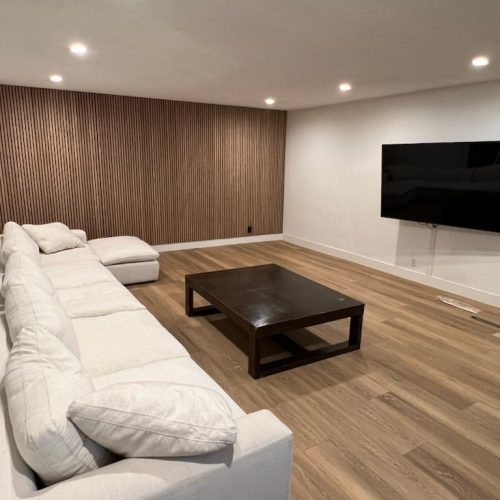
The Enduring Appeal of Natural Wood Wall Panels in Modern DesignThe Enduring Appeal of Natural Wood Wall Panels in Modern Design


Natural wood wall panels have become a popular feature in modern design, giving warmth, texture, and timeless beauty to spaces. Designers routinely chose these panels because of their versatility, eco-friendliness, and distinct visual appeal. Wood panels are the perfect solution for adding depth and character to any space interior design. Natural wood wall panels can be used in homes, businesses, or commercial spaces to enhance the environment and leave a lasting impact. Let’s look into why they’re so popular in modern design.

1. Unmatched Aesthetic Charm

One of the main reasons natural wood wall panels remain so popular is their visual appeal. Wood generates warmth, making any area feel welcoming. Wood’s various grains, colors, and textures add visual interest, introducing a natural element into modern spaces. Designers use the unique characteristics of natural wood wall panels to enhance interiors with elegance and sophistication.

Versatility in Design

The beauty of natural wood wall panels is their adaptability. They can match a wide range of styles, including rustic, industrial, sleek, and modern. Whether it’s the deep, dark shades of walnut or the light, airy tones of pine, natural wood wall panels offer limitless possibilities for creating the ideal environment.

2. Eco-Friendly and Sustainable Choice

In today’s world, sustainability is key. Natural wood wall panels are an eco-friendly choice, making them popular among environmentally conscious designers. When sourced responsibly, wood is a renewable and biodegradable material, making it a perfect fit for green building projects.

Supporting Sustainable Design

Choosing natural wood wall panels reduces the usage of synthetic materials, which are potentially hazardous to the environment. Designers that use responsibly sourced wood contribute to a healthier earth while delivering high-quality, aesthetically beautiful results.

  • Renewable resource: In contrast to non-renewable materials such as metals and plastics, wood grows back.
  • Low carbon footprint: Wood has a lower carbon impact than synthetic substitutes.
  • Biodegradable: Wood decomposes naturally without emitting hazardous pollutants into the environment.

3. Adding Depth and Texture

One of the most notable qualities of natural wood wall panels is their ability to provide depth and texture to a room. Unlike flat wall surfaces, wood panels add dimension, making walls appear more dynamic and fascinating. The natural differences in the wood grain give the surface a tactile feel that other materials often lack.

Perfect for Creating Focal Points

Whether you’re highlighting a fireplace, entryway, or office feature wall, natural wood wall panels may become the main point of any space. The richness of wood grabs attention without dominating the rest of the space, resulting in a well-balanced design.

4. Ideal for Both Modern and Traditional Spaces

Natural wood wall panels combine modern and classic design features. Whether used in a sleek, contemporary flat or a lovely, natural farmhouse, wood adds to the overall design. It offers timeless elegance while remaining adaptable to changing design trends. Durable and versatile, wood panels elevate both residential and commercial interiors natural panels

Harmonizing with Other Materials

Natural wood wall panels look great with other materials, including concrete, glass, and metal. Combining wood with these industrial elements results in shocking contrasts that highlight the wood’s natural warmth while also bringing a modern touch to the design.

  • Wood + glass: Adds elegance and lightness to a room.
  • Wood + concrete: Creates an industrial-chic aesthetic.
  • Wood + metal: Combines a contemporary edge with earthy warmth.

5. Low Maintenance and Durability

Wood is not only attractive but also quite durable. Natural wood wall panels require less maintenance than other materials such as fabric or wallpaper. Wood panels retain their beauty for years with proper care, such as dusting or polishing on a regular basis.

Long-Lasting Investment

Because natural wood wall panels are extremely sturdy, they can withstand years of use without losing their luster. Unlike other materials that fade, chip, or peel, wood only improves with age, gaining a patina that adds to its beauty.

FAQ About Natural Wood Wall Panels

What types of wood are best for wall panels?

The ideal wood for natural wood wall panels is determined by the space’s intended look and feel. Popular choices include oak, walnut, pine, and maple. Each variety of wood has unique textures and colors, allowing designers to select the one that best complements the room’s aesthetic.

Are natural wood wall panels easy to install?

Yes, natural wood wall panels are relatively simple to install, particularly when they are pre-finished or in modular designs. Professional installers can guarantee that the panels fit precisely and complement the room’s overall appearance.

How can I maintain natural wood wall panels?

Maintaining natural wood wall panels is straightforward. Regular cleaning and the use of wood polish will keep the wood appearing fresh and lively. It’s also vital to keep the panels away from excessive moisture and intense sunshine, which can cause warping or fading over time.

Why Choose Natural Wood Wall Panels?

Natural wood wall panels remain a popular choice among designers seeking to create attractive, sustainable, and timeless interiors because of their aesthetic appeal as well as their eco-friendliness. Their adaptability, texture, and durability make them an excellent choice for both modern and traditional environments. Elevate your living spaces with the luxurious look of natural wood finishes wood accents. Whether you’re renovating a living room, workplace, or commercial area, natural wood wall panels may make your space genuinely extraordinary.

Revitalizing Your Home with Modern Wall PanelsRevitalizing Your Home with Modern Wall Panels


Revitalizing Your Home with Modern Wall Panels

Modern wall panels have transformed ordinary interiors into remarkable pieces of art, ushering in a new era of interior design. Modern wall panels are taking center stage in today’s homes and offices due to their ability to perfectly mix aesthetics and function. Let us delve into inventive methods to use modern wall panels, providing both practical insights and inspiration.

Why Choose Modern Wall Panels for Your Interiors?

Modern interiors can be elevated by incorporating

textured designs

into the overall design; they bring a host of benefits to any space:

  • Aesthetic Appeal: These panels add depth, texture, and sophistication to interiors.
  • Versatility: They complement a wide range of design styles, from minimalist to rustic.
  • Durability: High-quality materials ensure longevity and resistance to wear and tear.
  • Easy Maintenance: Most modern wall panels require minimal cleaning and upkeep.
  • Soundproofing: Many designs also help reduce noise levels, enhancing comfort.

With such benefits, modern wall panels are an ideal choice for homeowners and designers seeking stylish and practical solutions.

Creative Applications of Modern Wall Panels

Modern wall panels are incredibly versatile, offering countless ways to enhance your interiors. Here are some creative ideas:

Transforming Your TV Wall

The TV wall is often the focal point of a living room. For a minimalist yet sophisticated touch, consider installing

modern spaces

in your TV room. It can elevate this space by:

  • Creating a sleek, unified backdrop that draws attention to the screen.
  • Incorporating recessed niches for a minimalist and functional design.
  • Using textured panels to add visual interest and complement the overall decor.

Enhancing the Bedroom Ambiance

In the bedroom, modern wall panels can replace traditional headboards, offering:

  • A cozy, textured wall behind the bed for added warmth.
  • Unique geometric designs to make a bold style statement.
  • Materials like wood or fabric to create a serene and inviting atmosphere.

Adding Elegance to Dining Areas

Dining rooms can benefit significantly from modern wall panels. Consider:

  • Installing panels with natural wood finishes for a warm, rustic look.
  • Using geometric patterns to add a modern touch.
  • Highlighting the dining area with accent panels that differentiate it from adjoining spaces.

Designing Statement Hallways

Hallways often get overlooked in interior design. Modern wall panels can:

  • Turn bland corridors into striking pathways with vibrant colors or patterns.
  • Add texture to narrow spaces, making them appear wider and more dynamic.

Creating Productive Home Offices

Modern wall panels can enhance your work-from-home experience by:

  • Using acoustic panels to minimize noise distractions.
  • Incorporating inspirational patterns or colors that boost creativity.
  • Defining the office space within a multi-functional room.

How to Choose the Perfect Modern Wall Panels

Selecting the right modern wall panels for your space involves careful consideration. Here’s a guide:

Materials

  • Wood: Adds warmth and a natural touch to interiors.
  • MDF: Affordable and available in various finishes.
  • PVC: Lightweight and water-resistant, ideal for humid areas.
  • Fabric: Offers a soft, luxurious feel and enhances acoustics.

Patterns and Textures

  • Geometric Designs: Perfect for contemporary spaces.
  • Natural Finishes: Ideal for rustic or traditional interiors.
  • 3D Panels: Add depth and drama to any wall.

Placement and Purpose

  • Decide whether the panels will serve as a focal point or a subtle accent.
  • Consider functionality, such as soundproofing or insulation.

Installation Tips for Modern Wall Panels

Proper installation ensures the longevity and aesthetic appeal of modern wall panels. Keep these tips in mind:

  • Prepare the Wall: Ensure the surface is clean, dry, and smooth.
  • Measure Accurately: Take precise measurements to avoid gaps or overlaps.
  • Use Quality Adhesives: Choose the right adhesive for your panel material.
  • Seek Professional Help: For intricate designs, hire experts for flawless installation.

FAQ: Common Questions About Modern Wall Panels

Are modern wall panels suitable for small spaces?

Absolutely! Modern wall panels can make small rooms appear larger by adding depth and texture. Opt for lighter colors and subtle patterns to enhance the sense of space.

How do I maintain modern wall panels?

Most modern wall panels are low-maintenance. Simply dust them regularly and wipe them with a damp cloth to keep them looking fresh. For fabric panels, consider vacuuming to remove dirt and debris.

Can modern wall panels be installed in bathrooms?

Yes, but choose materials like PVC or moisture-resistant MDF for humid environments. These options are durable and won’t warp over time.

Are modern wall panels eco-friendly?

Many manufacturers now offer sustainable options made from recycled materials or responsibly sourced wood. Look for certifications to ensure your panels are environmentally friendly.

Final Thoughts

Modern wall panels are a versatile and elegant way to modify spaces. These panels allow for limitless artistic expression, from boosting the wall to redefining eating areas. By selecting the correct materials, patterns, and placement, you may improve the look of your house while also benefiting from practical features like durability and soundproofing.

If you’re seeking modern and durable options,

wall accents

is an excellent choice for any space. Embrace modern wall panels’ charm and practicality to create environments that are both beautiful and comfortable.

Create a Cozy and Stylish Space with Farmhouse Dining Room FurnitureCreate a Cozy and Stylish Space with Farmhouse Dining Room Furniture


Farmhouse dining room furniture brings charm, warmth, and a sense of rustic elegance to any home. Combining timeless craftsmanship with practical design, this style offers a perfect balance of comfort and sophistication. Key pieces such as farmhouse dining tables and chairs are the cornerstone of this aesthetic, transforming your dining area into a welcoming space for meals, gatherings, and memories.

The Appeal of Farmhouse Furniture

Farmhouse furniture is celebrated for its ability to blend the old and the new, incorporating traditional designs with modern functionality. Its natural wood finishes, distressed details, and earthy tones give dining rooms a warm and inviting feel. This style is versatile enough to complement various interiors, from modern rustic to boho chic, making it a popular choice among homeowners who value timeless beauty and practicality.

The Farmhouse Dining Table: A Centerpiece of Rustic Charm

The farmhouse dining table is the heart of this furniture style. Known for its sturdy construction and natural wood tones, it exudes an authentic, handcrafted appeal. Rectangular tables with wide planks or trestle bases are classic farmhouse designs, while round tables with pedestal bases provide a softer, more intimate feel.

A farmhouse table often features distressed finishes or reclaimed wood to highlight its rustic charm. Paired with neutral linens and simple tableware, it creates an effortlessly elegant dining setup. Larger tables are ideal for hosting family gatherings, while smaller ones fit perfectly into cozy dining spaces or breakfast nooks. No matter the size, a farmhouse dining table invites warmth and togetherness, embodying the heart of a home.

Farmhouse Dining Chairs: Comfort Meets Style

To complement the dining table, farmhouse dining chairs provide the perfect blend of comfort and style. These chairs often feature high backs, simple silhouettes, and sturdy wooden frames. Popular designs include ladder-back chairs, cross-back styles, and Windsor chairs, all of which enhance the rustic charm of a farmhouse dining room.

For added comfort and a touch of sophistication, upholstered farmhouse chairs are an excellent choice. Neutral or textured fabrics add visual interest while maintaining the timeless feel of the space. Mix-and-match seating, such as pairing wooden chairs with an upholstered bench, is a common trend in farmhouse décor, adding character and functionality to your dining area.

Enhancing the Farmhouse Look

To achieve the full farmhouse aesthetic, pair your dining table and chairs with complementary décor. A large, vintage-inspired chandelier or pendant light creates a focal point above the table, adding warmth and personality. Use natural textiles like burlap or linen for table runners, napkins, and curtains to enhance the rustic vibe.

Storage solutions like a farmhouse-style buffet or hutch can provide additional charm and practicality. These pieces often feature weathered finishes or glass-fronted cabinets, perfect for displaying tableware or décor. Complete the look with accents such as mason jars, wooden trays, or fresh greenery to bring the outdoors in.

A Timeless Dining Experience

Farmhouse dining room furniture is more than just a design choice—it’s a lifestyle. Its emphasis on simplicity, durability, and natural beauty creates a space that feels both timeless and comforting. With a farmhouse dining table and chairs as the centerpiece, your dining room becomes a haven for shared meals and cherished memories.

Whether hosting a festive dinner or enjoying a quiet family meal, farmhouse furniture ensures your dining area is as inviting as it is stylish. Invest in these iconic pieces, and create a space that embodies the heartwarming spirit of home.

6 Tips To Help Extend The Life Of Your Cold Water Storage Tank6 Tips To Help Extend The Life Of Your Cold Water Storage Tank


Extending the lifespan of your water tank comes with many advantages beyond financial savings. Talk to us

water tank replacement

Firstly, it ensures a uninterrupted and reliable water supply, reducing disruptions caused by sudden tank breakdowns. 

Secondly, prolonging the tank’s life reduces the environmental impact by limiting the requirement of frequent replacements, therefore conserving resources and minimising waste. 

Additionally, it results in considerable financial benefits, as you save yourself from the expense of buying another water tank entirely. On top of that, maintaining your tank’s life enhances water quality by avoiding contamination that can occur when tanks degrade. To make sure it serves you well for years to come, it’s crucial to take proper care your cold water tank.  Speak direct here

legionella remedial works

In this blog, we’ll share six useful tips on how to extend the life of your cold water tank. 

Tip 1 – Regular Visual Inspections 

The key to a longer life water tank starts with routine visual inspections. Conduct regular checks to identify any signs of wear, corrosion or leaks. Watch for cracks, rust, or worn fittings and address these issues immediately to prevent further damage. Additionally, make sure the tank’s foundation is secure and solid, as an unstable base can lead to structural problems over time. 

Tip Two – Insulating Your Water Tank 

Insulating your cold water tank is an simple way to prevent heat loss and cut down on energy consumption, particularly if it’s placed in an unheated space like an attic or basement. Insulation helps maintain a uniform water temperature, lowering the pressure on your tank’s components and helping to prolong your tank’s life. You could use specially designed tank jackets or blankets for insulation, or allow our team to carry out this procedure with ease. 

Tip 3 – Clean And Disinfect Your Cold Water Tank 

Frequent cleaning is just as crucial to avoid sediment build-up, which can decrease the tank’s storage capacity and lead to bacterial growth. Cleaning your tank at least once a year is advised and is a vital aspect of your water tank maintenance. This service can be carried out by our expert team, where we’ll issue you a comprehensive disinfection certificate and your own photographic completion report. 

Tip 4 – Monitor Your Water Quality 

Water quality can have a significant impact on the lifespan of your water tank. If your water supply contains a lot of minerals or impurities, it can cause scaling and sediment build-up inside the tank. Routinely test the quality of the water stored in the tank. This will allow you to detect any issues early, like bacterial contamination or changes in chemical composition. 

Tip Five – Water Pressure Control 

High water pressure can put strain on your cold water tank and water system, causing leaks and premature failure. Install a pressure regulator to ensure that the water pressure entering your tank is within safe limits. Periodically check and adjust the regulator as necessary to maintain the desired pressure. 

Tip Six – Relining Your Tank 

In some cases, if you’re dealing with an older cold water tank with damaged or damaged interior surfaces, relining might be a good option. Relining requires installing a new, protective lining to the inside of the tank. This lining can help prevent further corrosion, leaks and prolong the total lifespan of the tank. That being said, relining should be done by a professional like us and is typically considered when other maintenance and repair options aren’t appropriate. 

We offer all our customers a ten-year guarantee for this service and are equipped with over 12 years of experience working with water tanks throughout the United Kingdom. For more info go here

legionella remedial works

Exploring Men’s Spiritual Retreats: Heal Traumas and Discover Inner PeaceExploring Men’s Spiritual Retreats: Heal Traumas and Discover Inner Peace


Activities Commonly Offered at Men’s Retreats

Many men’s spiritual retreats incorporate a variety of activities designed to foster personal growth and emotional healing. Workshops focused on mindfulness and meditation techniques help participants center their thoughts and emotions. For instance, retreats such as those offered by The Omega Institute or Esalen in California often include guided meditation sessions, which encourage introspection and self-discovery. - Group discussions and sharing circles build community, allowing attendees to express their thoughts and experiences openly without the fear of judgment.

Physical activities play a significant role in these retreats as well. Outdoor adventures like hiking, kayaking, or team-building exercises are common, providing opportunities for participants to connect with nature and each other. Programs like those offered by ManKind Project often include not just physical challenges but also creative expression through art or music therapy. Engaging in such activities not only helps in processing emotions but also cultivates camaraderie among participants, enhancing their overall retreat experience.

  • Various workshops on emotional intelligence and personal development
  • Group activities focused on trust-building and teamwork
  • Educational sessions on healthy relationships and communication skills
  • Evening bonfires for relaxation and storytelling
  • Spiritual practices such as prayer, journaling, or yoga
  • Mentorship opportunities with experienced facilitators
  • Free time for self-reflection and personal exploration

Engaging Practices to Foster Connection

Many retreats emphasize physical activities that build camaraderie among participants. Hiking in serene natural settings such as the Appalachian Trail fosters a sense of shared adventure. Groups often engage in team-building exercises such as rock climbing or obstacle courses offered by brands like Outward Bound, which encourage trust and reliance on one another. Such experiences not only challenge participants physically but also create lasting connections shaped by mutual support and encouragement.

Mindfulness practices play a significant role in deepening emotional bonds. Guided meditation sessions, often facilitated by experienced leaders from organizations like the Mindful Schools, provide a platform for attendees to explore their inner thoughts together. Journaling workshops can also prove beneficial. By sharing personal stories in small groups, men can navigate their traumas openly while realizing commonalities with their peers. These engaging activities create a rich tapestry of connection that fosters healing and understanding.

Overcoming Stigmas Surrounding Men’s Emotional Health

Men often grapple with the societal expectation to be stoic and unemotional, which can hinder their willingness to seek help when facing mental health challenges. Initiatives like Movember have worked to raise awareness about men’s health issues, including mental wellness. By promoting dialogue and encouraging vulnerability, these movements seek to dismantle harmful stereotypes associated with masculinity. They also advocate for channels like therapy and support groups, which help men address emotional struggles like anxiety and depression—conditions that are frequently stigmatized in traditional male roles.

Cultural narratives surrounding masculinity can make it difficult for men to express feelings or admit to pain. Programs such as those offered by the Men’s Health Network highlight the importance of emotional expression and foster environments where men can share experiences without judgment. These retreats often incorporate mindfulness practices and group discussions that encourage openness, breaking the silence that can feel so isolating. Organizations like the Good Men Project provide resources and communities for men to connect and learn about emotional health, illustrating that vulnerability is not a weakness but a pathway to personal growth and healing.