Beneficiar Constructii construction Watson Well: Your Trusted Water Systems Partner in Northern California

Watson Well: Your Trusted Water Systems Partner in Northern California


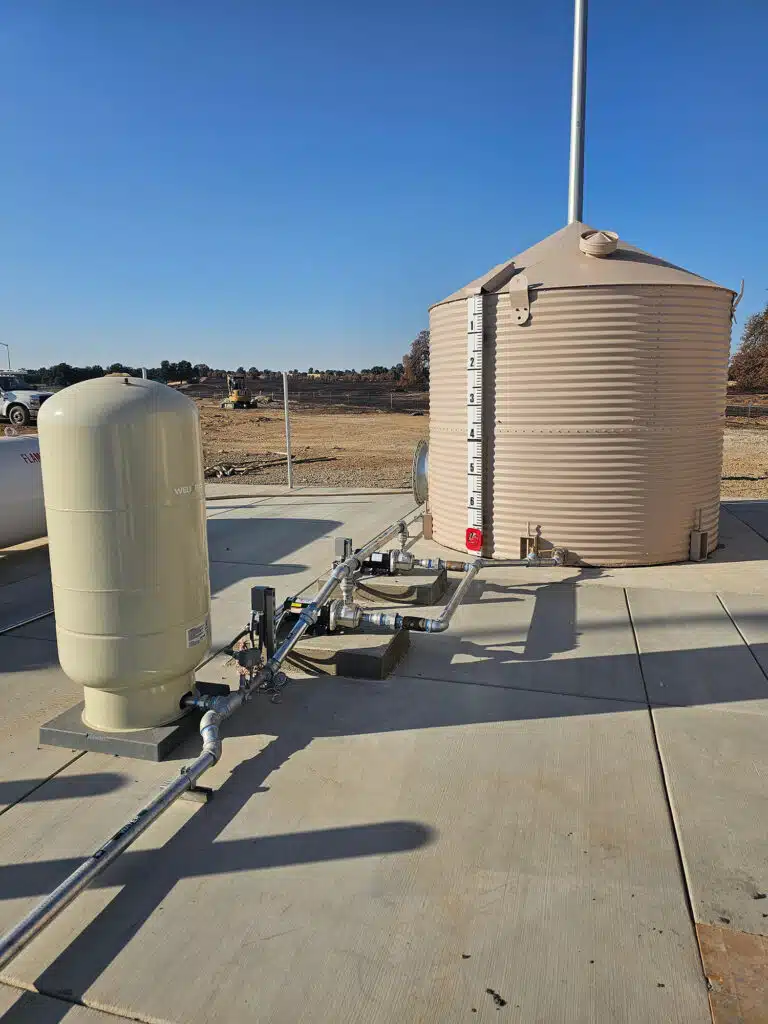
Public water system for the new I-5 south bound Caltrans scales

Solving The Unique Water Challenges of Northern California

California’s northern region faces unique challenges when it comes to water systems. From devastating wildfires that damage infrastructure to inconsistent water supplies, residents and businesses alike need dependable solutions for their water needs. Enter Watson Well – the trusted name in water solutions.

Comprehensive Water Services

Boasting extensive expertise, Watson Well delivers a full spectrum of services tailored to the unique needs of California’s northern communities. From household water solutions to Industrial water systems, they’re equipped to manage every aspect.

Expert Water System Installation

One of Watson Well’s key services is water system installation. Whether you need a new well drilled, they bring the expertise to get the job done right. Their team of professionals employs advanced techniques to plan and execute efficient water systems designed to meet your exact requirements.

Fire Damage Restoration Services

But Watson Well’s expertise reach much further than just installation. In a region prone to wildfires, their wildfire remediation expertise are invaluable. They appreciate the particular difficulties that fire-affected properties face and offer comprehensive solutions to revive your water supply.

24/7 Reliable Repair Services

Dependability is crucial when it comes to water resources, and Watson Well shines in this aspect. Their maintenance solutions are on call day and night, ensuring that you have support when you need it most. With rapid arrival on-site and knowledgeable experts, they can diagnose and resolve problems efficiently and thoroughly.

Proactive Maintenance Programs

Appreciating the value of ongoing maintenance, Watson Well also offers thorough maintenance packages. These packages are designed to ensure your water infrastructure operates optimally, heading off troubles before they escalate.

Local Expertise for Northern California’s Water Landscape

What distinguishes Watson Well is their comprehensive knowledge of Northern California’s water landscape. They understand that each property is distinct, and they tailor their approach accordingly. Whether you’re facing low water pressure, their experts can develop a fix that meets your specific needs.

Serving All of Northern California

From Redding to Eureka, Watson Well has established themselves as the go-to resource for all things water. Their commitment to quality is evident in every job they tackle.

Contact Watson Well Today

Never allow water problems disrupt your life. If you’re facing a water emergency or aiming to improve your water infrastructure, reach out to the experts at www.watsonwell.com/contact/. With their knowledge and dedication to customers, you’ll quickly have access to clean, reliable water no matter what challenges arise.

Related Post

Deciphering Contractor Lingo: The Essential Guide for Homeowners to Mastering Renovation LanguageDeciphering Contractor Lingo: The Essential Guide for Homeowners to Mastering Renovation Language

Navigating a home renovation task can be daunting, particularly when discussions with your professional appear like they’re occurring in a different language. The world of building, as pointed out at BetterBuilt Builders, is filled with specific terms and expressions that can be bewildering to the inexperienced.

This short guide aims to bridge that gap, providing clear descriptions for some of the most typical “professional speak” you’re likely to encounter during a redesigning job. By arming yourself with this knowledge, you’ll be much better prepared to interact effectively, make notified choices, and ensure your remodelling runs smoothly.

Comprehending the Essentials

  • Change Order: A formal file that outlines any modifications to the original job plan, consisting of adjustments in cost and timeline. It’s crucial since it guarantees both celebrations agree on changes after the agreement is signed, says https://bbbhomeremodeling.com/.
  • Bearing wall: This is a wall that supports the weight of the components above it, such as the Roofing or upper floors. Eliminating or modifying these walls requires cautious planning and typically, reinforcement strategies.
  • R-Value: A step of insulation’s ability to resist heat circulation. The higher the R-value, the much better the insulation efficiency. Understanding this can assist you make energy-efficient choices in your renovation.

Navigating the Process

  • Draw: Part of the payment plan for the project, a draw is a set up release of funds from the funding source, based on the completion of pre-defined stages of work. It makes sure the professional earns money for development without the House owner footing the entire bill upfront.
  • Subcontractor: Experts hired by the General contractor to carry out particular tasks, such as plumbing, electrical, or roof. Understanding this function helps you comprehend who is accountable for what in your renovation.
  • Punch List: A list produced at the end of the task detailing minor tasks and repairs that require to be finished before last payment is made. It’s the finish line of your job, guaranteeing everything satisfies your standards.

Budgeting and Agreements

  • Contingency: A budgetary buffer (typically 10-20% of the job cost) set aside for unforeseen expenditures. Having a contingency is essential for attending to surprises without blowing your total budget plan.
  • Lien Waiver: A file from the specialist or subcontractor mentioning they have received payment and waive any future lien rights to your home for the quantity defined. It’s essential for safeguarding yourself against claims for unpaid work.
  • Scope of Work: A detailed description of all work to be performed under the contract, including products, labor, and services. Clearness in the scope of work prevents misconceptions and conflicts.

By acquainting yourself with these terms, you’ll not just boost your communication with your specialist but also acquire confidence in overseeing your home remodelling project. Keep in mind, a knowledgeable homeowner is an empowered property owner. Welcome the restoration journey with understanding and self-confidence, understanding you’re well-equipped to manage the professional speak.

Living Inside a Mountain: Exploring the Pros and Cons of Building a Home in the Earth’s EmbraceLiving Inside a Mountain: Exploring the Pros and Cons of Building a Home in the Earth’s Embrace

When one thinks of building a new home, the image that often comes to mind is a traditional house with a picket fence, perhaps nestled in a lush suburban neighborhood or perched atop a picturesque hill. However, a growing number of adventurous individuals are breaking the mold and exploring the possibility of creating their homes deep within the earth, inside mountains. While this concept may seem straight out of a science fiction novel, it’s very much a reality. In this article, we will delve into the intriguing world of underground homes, weighing the pros and cons of living inside a mountain.

**The Pros of Living Inside a Mountain:** new home construction loans

1. **Natural Insulation:** One of the most significant advantages of living inside a mountain is the remarkable insulation provided by the earth itself. The constant temperature of the surrounding rock can help maintain a comfortable interior climate, reducing the need for extensive heating or cooling systems. This not only saves on energy bills but also reduces your carbon footprint.

2. **Energy Efficiency:** The consistent temperature and natural insulation translate into an energy-efficient living environment. You’ll find yourself using less energy for heating and cooling, which contributes to a smaller environmental impact and lower utility bills.

3. **Protection from the Elements:** Underground homes are well-protected from the destructive forces of nature, such as hurricanes, tornadoes, and wildfires. The mountain provides a natural barrier against these disasters, offering safety and peace of mind.

4. **Noise Reduction:** Living inside a mountain often means a quieter existence. The thick layers of earth surrounding your home can dampen external noises, providing a serene living environment. This is a particularly attractive feature if you value tranquility.

5. **Privacy and Security:** Living inside a mountain naturally offers a degree of seclusion and security. You are sheltered from prying eyes and potential intruders, making it an appealing choice for those who seek privacy and peace.

6. **Unique Aesthetics:** The unique aesthetic appeal of an underground home is undeniable. The juxtaposition of modern design with the rugged beauty of the mountain creates a truly distinctive living space.

**The Cons of Living Inside a Mountain:**

1. **Limited Natural Light:** The most obvious drawback of living in a mountain is the lack of natural light. Most underground homes rely on artificial lighting during the day, which can be challenging for some individuals who value sunlight and open spaces.

2. **Ventilation Challenges:** Proper ventilation can be a significant concern. Without fresh air circulation, the air inside an underground home can become stale and humid. This may necessitate the Installation of a ventilation System, which adds to construction and operating costs.

3. **Construction Challenges:** Building inside a mountain is not for the faint of heart. The excavation process can be complex, expensive, and time-consuming. Furthermore, the construction of an underground home requires specific engineering expertise, which can also drive up costs.

4. **Moisture Control:** Maintaining an ideal level of moisture inside an underground home can be tricky. Excessive moisture can lead to mold and mildew issues, while too little moisture can result in a dry and uncomfortable living environment. Managing moisture levels requires vigilance and potentially additional investments.

5. **Dependence on Technology:** Living inside a mountain often means a heavy reliance on technology for basic amenities such as lighting and heating. Power outages can be more challenging to deal with when you’re far below the earth’s surface.

6. **Resale Value and Market Perception:** Underground homes are not always in high demand in the real estate market. If you plan to sell your underground property in the future, you may encounter challenges in finding interested buyers due to their niche nature.

7. **Limited Outdoor Space:** Living inside a mountain typically means limited outdoor space. If you love gardening, outdoor activities, or simply the feeling of open spaces, an underground home may not be the best choice for you.

**Environmental Considerations:**

When considering building a home inside a mountain, it’s important to weigh the environmental impact. On the one hand, the natural insulation and energy efficiency can reduce your carbon footprint. On the other hand, the excavation process can disturb the ecosystem and the local geology. It’s crucial to engage in responsible construction practices and consider the ecological consequences of such a project.